There are seasons in a writer’s life when the words flow like a river. And then there are seasons when the river becomes a swamp, full of tangled roots, half-formed ideas, loose plot threads, forgotten character motives, and that one scene you know matters, but cannot quite remember where you put it.
That is where I am right now.
I have books written, completed manuscripts sitting in that strange second phase of creation. Not the wild first draft phase, where everything is momentum and discovery. Not the final polished phase, where the book is ready to meet the world. I am in the middle place, the place of rereading, reviewing, and asking hard questions.
Does this scene still work? Did this character earn that decision? Is there a gap in the story? Did I contradict something I wrote twelve chapters earlier? Did I plant the right seeds early enough? Did I accidentally change a name, a place, a timeline, or a motive? Did I make the story better, or did I just make it longer?
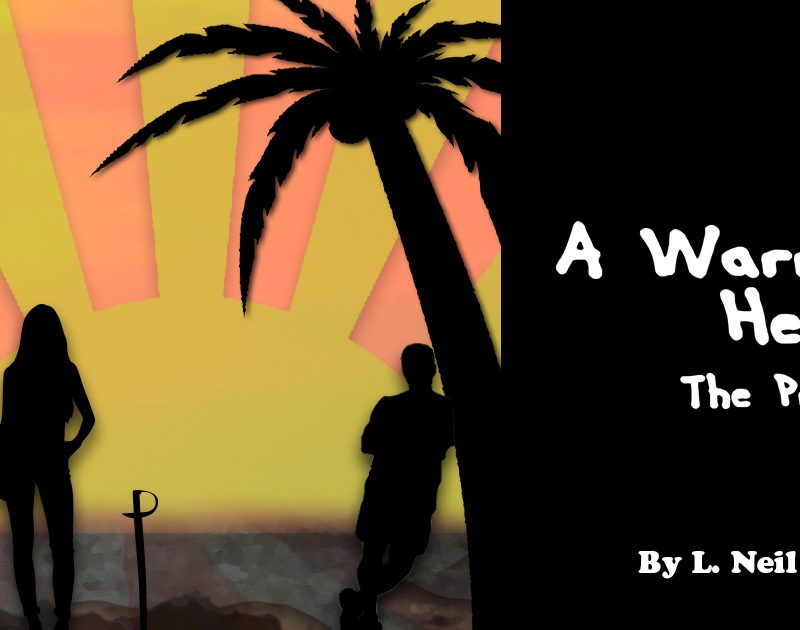
Right now, I am deep inside two completed manuscripts, A Warrior’s Heart: The Promise and The Last Templar’s Oath: Bloodline of the Grail.
Both stories matter to me, and both carry a different kind of weight.
A Warrior’s Heart: The Promise carries the emotional and spiritual thread of a world I have lived with for years. It is not just a story to me. It is part of a larger journey, one that began long ago and still seems to have more to say.
The Last Templar’s Oath: Bloodline of the Grail is a different kind of beast. Historical, layered, mysterious, and deeply rooted in legacy, duty, secrecy, and bloodline. It requires another level of attention. Every decision has to feel grounded. Every movement of the Grail has to make sense. Every silence has to carry meaning.
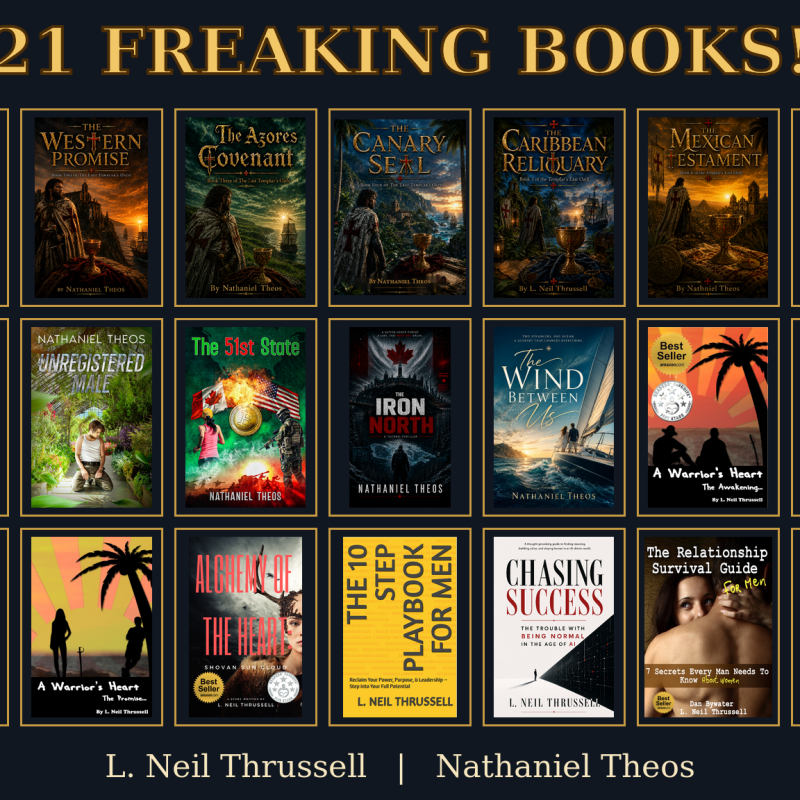
And while all of that is happening, I have also been revisiting a book already released as The 51st State. That book is now being repackaged as The Iron North. Same story. New positioning. New energy. A title that better reflects the heart of the book without dragging readers into assumptions before they even open the cover.
So yes, my mind is cluttered.
Not casually cluttered. Not mildly distracted. Not the usual “Where did I put that note?” kind of clutter.
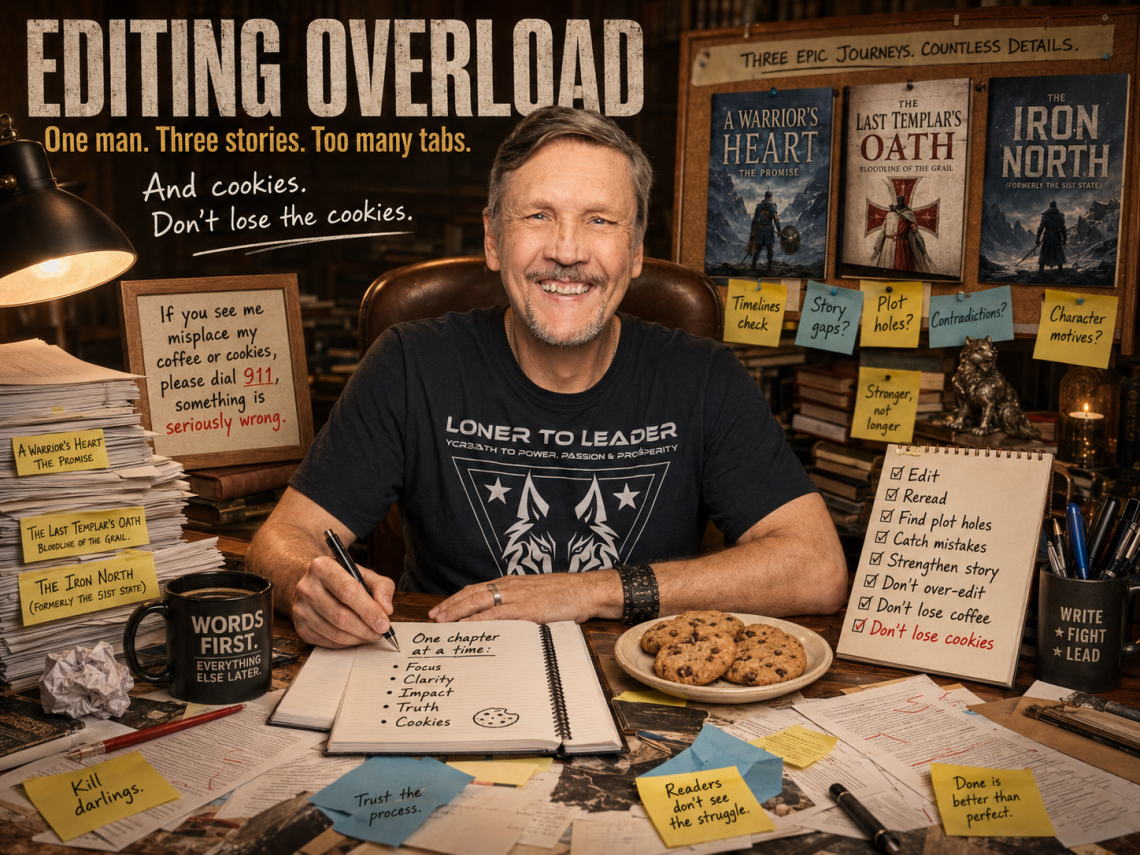
Let me be clear: if you ever see me misplace my coffee or my cookies, please dial 911, because something has gone seriously wrong.
This is a deeper kind of clutter. It is the kind that comes from carrying multiple worlds at once.
One part of my mind is walking with warriors and sacred promises. Another part is following Templars, hidden bloodlines, secret vows, and the Grail. Another part is standing in the cold shadow of a Canadian resistance, trying to decide how to reintroduce The Iron North to the world. And somewhere in the middle of all that, I am still expected to remember where I left my glasses.
Writing a book is one thing. Editing several stories at once is another.
It asks for a different kind of discipline. Not the discipline of raw creation, but the discipline of discernment.
What stays? What goes? What needs to be strengthened? What needs to be left alone? Where in the story is the asking for more? Where is the writer simply fussing because fear has slipped into the room wearing editor’s glasses?
That is one of the strange truths of this phase. There is a fine line between editing and over-editing.
Editing is refinement. Over-editing is anxiety with a red pen.
Editing asks, “How can I make this stronger?” Over-editing asks, “What if it is still not good enough?”
That is where the real work begins. Not just on the manuscript, but on the mind of the writer.
Because eventually, every author has to face the same quiet truth. The goal is not perfection. The goal is honesty. The goal is clarity. The goal is impact. The goal is to serve the story, not smother it.
That means reading carefully. It means checking timelines. It means watching for gaps. It means catching contradictions before readers do, because readers are sharp, and they do not miss much. Trust me, they will find the one horse that changed colour halfway through the book.
It also means knowing when to step back.
Sometimes the story needs another pass. Sometimes the chapter needs a sharper edge. Sometimes the mind simply needs a walk, a breath, a cup of coffee, and possibly a cookie-based emergency response plan.
Right now, I am learning to move through the overload with patience. One manuscript at a time. One chapter at a time. One plot thread at a time.
I am trying to remember that a cluttered mind is not always a failing mind. Sometimes it is a creative mind holding too much at once. And in my case, apparently that means warriors, Templars, covert resistance fighters, sacred vows, hidden relics, old promises, and one Canadian general who absolutely refuses to surrender.
No wonder my brain has a few tabs open.
Still, beneath the overload, I feel grateful. Grateful to have stories to tell. Grateful to have characters who still speak. Grateful to have readers who care. Grateful that even in the chaos, the work still matters.
So this is where I am, editing, rereading, repackaging, questioning, sharpening, and clearing the fog one page at a time.
And trusting that somewhere beneath the clutter, the stories know the way forward.
As long as I can still find my coffee and cookies, we are probably going to be okay.