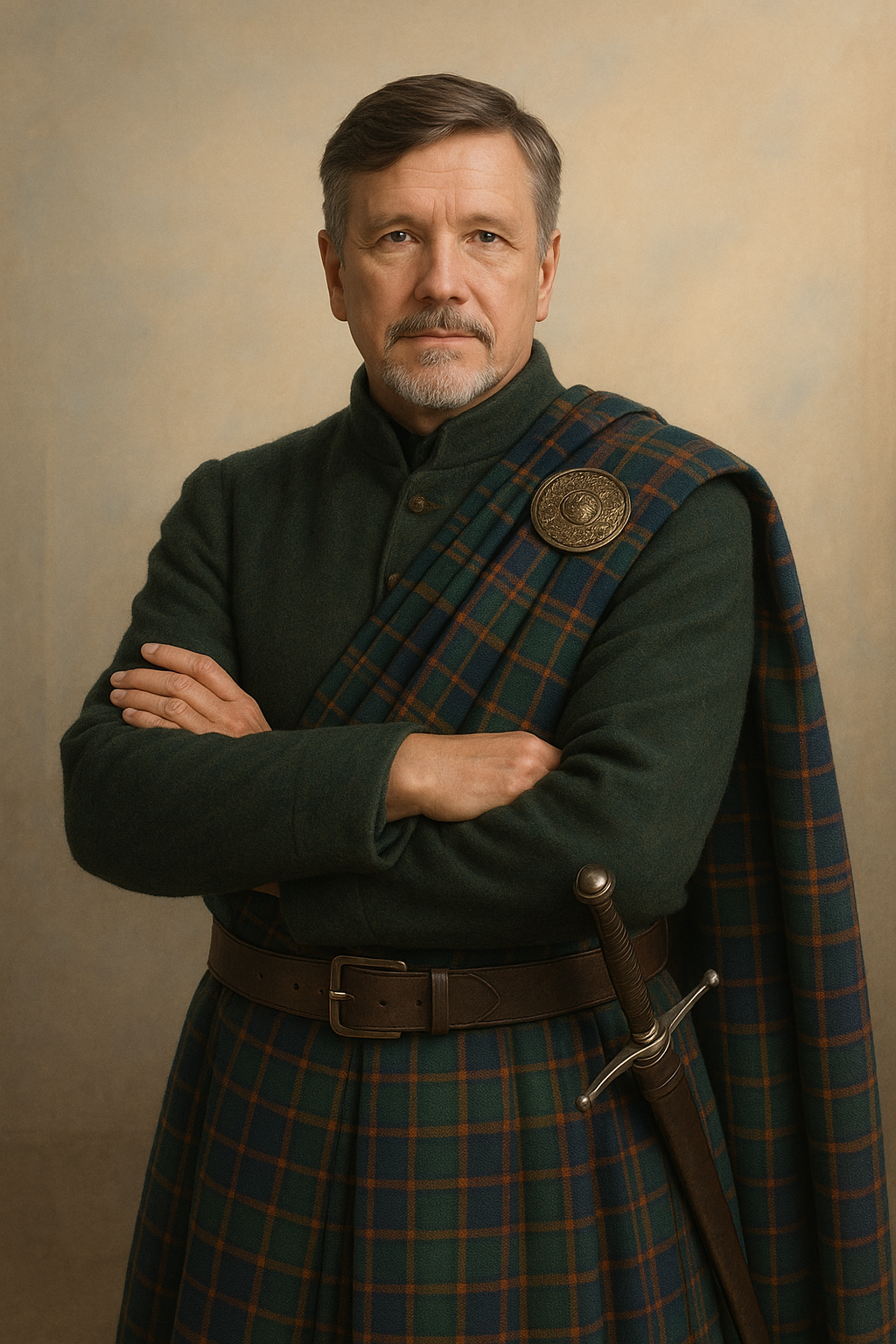

Just Another Boy: The Price of a Dream
By L. Neil Thrussell and AI
Chapter One: The Distance Between Us
The first thing Kathy MacDonald discovered about loving someone on the other side of the world was that time zones had absolutely no respect for romance.
It was nearly ten on a Thursday evening in Stony Plain, Alberta. She was sitting cross-legged on her bed with a chemistry assignment balanced on her knees and her phone propped against a pillow. On the screen, Jarrah Brown was eating breakfast under the Australian sun.
“You’re doing it again,” she said.
Jarrah looked up from his cereal. “Doing what?”
“Being ridiculously cheerful while I’m trying to stay awake.”
“Beautiful morning here, Kath.”
“I can see that. You don’t need to keep showing me the ocean.”
He tilted the camera toward the windows anyway. Beyond the veranda, the blue water surrounding his Queensland island stretched toward a cloudless horizon. Kathy could almost feel the warm boards beneath her feet. She had been home for six weeks, long enough for Alberta winter to make the island feel like something she’d dreamed.
“Show-off,” she said.
“You loved that view when you were here.”
“I loved the people more. Except the one who tried to poison us with pancakes.”
Jarrah gave her an injured look. “One incident. I’ll never recover from it.”
“Nan May said you were a danger to kitchen equipment.”
“Nan May says that about anyone who touches her frying pan.”
Kathy laughed. On her desk sat the photograph she liked best from Australia: Jarrah holding a blackened pancake with an expression of heroic disappointment. She could have chosen one of him beneath concert lights, surrounded by twenty thousand admirers. Instead she had chosen the boy who could play piano beautifully and ruin breakfast spectacularly.
“How’s chemistry?” he asked.
“Trying to kill me.”
“Want help?”
“You aren’t doing my homework.”
“Wasn’t offering. I was going to write a stern letter to your teacher about the hazards of education.”
She smiled, but something in his face made her look more closely. Jarrah was joking, yet the tiredness beneath his eyes hadn’t been there during their last call.
“What’s going on?”
He set down his spoon. “Martin’s arranged a meeting this afternoon.”
“Doesn’t he arrange meetings every afternoon?”
“This one’s about touring. Properly touring.”
Kathy straightened. Jarrah had mentioned promoters calling after his Brisbane performance of Just Another Boy. They both knew the song had reached listeners far beyond Australia, though he tended to describe extraordinary chart positions as if they were mildly inconvenient weather reports.
“That’s wonderful,” she said. “Isn’t it?”
“Australia, Europe, North America, Asia. More dates if the first ones sell well.”
“That sounds enormous.”
“It is.”
“How long?”
“Most of a year, with breaks. At least that’s what’s on the proposal.”
A year wasn’t a single stretch of time. It was Christmas concerts, ordinary Saturdays, her birthday, perhaps the next school year beginning without him. It was the little things she had missed most since leaving Australia: the way he stole the last biscuit, the distracted rhythm of his fingers on a table, the possibility of knocking on his door just because she wanted to see him.
“Do you want to do it?” she asked.
“I love making music. You know that.”
“That wasn’t the question.”
He looked through the window at the sea. “I don’t know what I want the rest of it to look like.”
Kathy folded her chemistry book closed. She knew how much he had given up to spend those months being Jarrah Brown in Stony Plain. She also remembered seeing him onstage in Brisbane, completely alive before an audience. Neither version of him was false.
“Go to the meeting,” she told him. “Hear them out before you decide what you’re saying yes to.”
“And us?”
Her throat tightened. “We don’t disappear just because you’re offered a tour. We’ll talk about us too.”
He nodded, not quite reassured but willing to trust her. They exchanged the usual sleepy jokes before ending the call. Kathy sat for another minute looking at her dark phone, then reopened her textbook. The chemistry equations remained exactly as confusing as before. At least they had answers someone could calculate.
The next day, Cynthia Heartstone found her staring into a locker without removing a single book.
“You’ve got the expression,” Cynthia announced.
“What expression?”
“The one that means your Australian boy has done something romantic or deeply inconvenient.”
“World tour. Possibly.”
Cynthia’s mouth fell open. “That’s amazing!”
“It is.”
Her friend studied her. “You’re allowed to think it’s amazing and terrible at the same time.”
Kathy closed the locker. “I know. I just wish those feelings would agree on something.”
Cynthia linked her arm through Kathy’s and steered her toward class. She made a theatrical declaration that chemistry should be cancelled in honour of international romance. Kathy laughed, grateful that some things in Stony Plain hadn’t changed at all.
Chapter Two: The Offer
Martin had managed Jarrah Williams long enough to recognize the silence that meant trouble. Jarrah rarely shouted during business meetings. He would study a proposal carefully, ask a question nobody wanted to answer, and wait until someone did.
The conference room overlooked Brisbane. A large screen displayed an elaborate map of the proposed tour, with dates stretching across four continents. Forty-two concerts were pencilled in, along with television appearances, promotional commitments, recording sessions, and travel days. The financial projections occupied several slides that Martin clearly enjoyed more than Jarrah did.
“We’ve never had this level of demand,” Martin said. “The new song opened markets we were still trying to break into. These venues are real possibilities, not wishful thinking.”
Jarrah looked at the schedule. “How many actual days off?”
The touring director shifted in his seat. “We’ve included travel and recovery periods.”
“Travel isn’t rest. Not when somebody wants me at a sound check four hours after landing.”
“We can review the spacing,” Martin said.
“Let’s review it now.”
They worked down the list. Jarrah wanted enough time to complete his studies with tutors, visit Leah and David, and spend meaningful stretches in Canada. The tour director reminded him that musicians, technicians, local crews, and venue staff depended on the dates being workable. Martin pointed out that some commitments had already advanced beyond informal conversations. Cutting them would cost money and disappoint people who had taken professional risks on his career.
Jarrah listened. He asked questions. He didn’t pretend that a singer was the only person who made a concert possible.
“I don’t want anyone losing a job because I’m tired,” he said at last. “I also don’t want a schedule that leaves all of us exhausted by the third month. The band deserves better than that.”
Martin studied him. “The version you’re asking for means rejecting some very attractive offers.”
“Then reject the new ones we can’t responsibly fit. Honour what we’ve committed to. We can play the others another time.”
“Some opportunities won’t wait.”
“I know.”
Martin regarded him for a long moment, then closed the presentation. “All right. A smaller tour, with sensible breaks. We bring the musicians and crew into the revised planning so nobody gets surprised.”
“And I keep studying.”
“And you keep studying,” Martin agreed. “Your mother made that condition before you ever signed with us. I remember.”
A few people smiled. Jarrah did too. He was relieved, though the scale of the undertaking still frightened him. A year ago he had believed that success meant being offered every possible stage. Now he understood that choosing one stage could mean declining another, and that every yes created obligations beyond the applause.
Martin walked with him to the lift afterward.
“You know,” he said, “most performers your age would have looked at the revenue slide and agreed to everything.”
“Maybe I haven’t learned to read it properly.”
“Oh, you can read it. You’ve simply discovered that time is a cost too.”
Jarrah thought of Kathy in her bedroom on the other side of the world. “Something like that.”
That night he called her and explained the negotiations. She listened with interest when he talked about crew commitments and education, and laughed when he described Martin’s face at the first proposed reduction.
“Were you going to turn down the whole thing because of me?” she asked eventually.
Jarrah looked away. “Thought about it.”
“Then I’m glad you didn’t.”
“Kath, I don’t want to spend a year missing everything that matters.”
“Neither do I. But your music matters. My school matters. Our families matter. We can’t make one thing the answer to everything else.”
He considered that. “You’re getting dangerously wise.”
“Don’t tell Cynthia. She’ll expect me to help with her essays.”
They talked until Kathy’s eyes began to close. Just before they said goodbye, he told her he wanted her at the Brisbane opening concert. She said she’d love to come if her parents were comfortable travelling again. Jarrah grinned at the thought of Robert MacDonald encountering another first-class cabin.
Only after the call ended did he begin thinking about a more difficult possibility. He knew how wonderful it would feel to have Kathy beside him that night. He also knew the difference between what he wanted and what he had any right to ask of her.
Chapter Three: An Invitation with a Question
The official invitation arrived on a Sunday afternoon. Robert MacDonald read it twice, then brought his phone to the kitchen table with the solemn expression of a man examining a tax assessment.
“Your boyfriend has booked us seats that turn into beds,” he informed Kathy.
Susan looked up from the newspaper. “We are going to Brisbane to support Jarrah, Robert. Not to review the aircraft.”
“We can accomplish two things at once.”
Kathy laughed. “He’s asked if we can all talk tonight.”
“About the plane?” Robert asked.
“Probably not.”
That evening, Jarrah appeared on their television screen from the island house. Leah and David were nearby. Martin joined by video from Brisbane, though he promised that the conversation wasn’t a business meeting.
Jarrah explained the idea without dressing it up. He wanted to attend the opening concert with Kathy as his girlfriend, not arrange another set of separate arrivals so nobody could connect them. He liked the thought of introducing her openly and holding her hand where other people could see. He also knew that once photographs existed, she would not get her anonymity back simply by asking for it.
Kathy listened, sitting between her parents. “You’re asking if I’d consider it, not telling me you’ve planned it?”
“Exactly. Nothing is booked for a public arrival. We can do what we did last time. We can stay entirely private.”
“What happens if people figure out where I go to school?”
David leaned forward. “That’s why we want you to meet Graham, the head of Jarrah’s security team, before making any decision. He’ll explain the realistic risks, and we’ll have people in Canada review the arrangements there.”
Susan glanced at Robert. “Would they be reviewing our home?”
“With your permission,” David said. “There are precautions we’d take whether or not the relationship becomes public, but the level of protection would depend on what happens.”
Kathy turned back to Jarrah. “What do you want?”
He didn’t hesitate. “I want you in my life. Going public would make some things easier for me, but it could make a lot of things harder for you. I’m not asking for an answer tonight.”
Martin cleared his throat. “We can give you all the information you need without treating the decision as a publicity exercise. It isn’t one.”
Robert looked at him with unexpected approval. “Good. Because my daughter isn’t a concert promotion.”
“Agreed,” Martin said.
After the call, Susan asked Kathy how she felt. Kathy couldn’t decide whether she was excited or afraid. Her father suggested that was a reasonable response to being asked whether she wanted to appear in front of several hundred cameras. Susan reminded him that nobody had yet said how many cameras would be there.
“Enough,” Robert replied, and this time he didn’t try to make a joke of it.
Kathy lay awake that night imagining the walk from a car to an arena entrance. She could picture Jarrah beside her, smiling with the ease that came to him onstage. What she couldn’t picture was herself, and that frightened her more than the cameras.
Chapter Four: Better Safe Than Regretful
Their second visit to Australia began quietly. They travelled under their own booking, completed the required arrival formalities, and met a discreet protective escort who introduced himself as Daniel Price. There were no photographers waiting for the MacDonalds, no special public welcome, and no obvious connection to Jarrah’s professional entourage. Kathy found it easier to breathe when they reached the private island and saw Jarrah waiting at the jetty.
He caught her as she hurried along the dock. Neither said much for a while. The sound of the sea and the warmth of his arms were enough.
Behind them, Robert announced that the airline’s sleeper seat had nearly caused him to miss breakfast. Susan observed that this was the first time in their marriage she’d heard him criticize a comfortable bed. Jarrah laughed, kissed Kathy’s forehead, and helped carry the luggage up to the house.
The security briefing took place the next afternoon. Graham Fletcher, Jarrah’s head of security, sat with both families and Martin in the island’s sitting room. He was calm, direct, and refreshingly free of dramatic language.
“Most of Jarrah’s fans are good people,” Graham began. “They enjoy his music and would never deliberately frighten anyone. Our concern is a small number who don’t respect boundaries, and the unintended consequences of widespread curiosity.”
He described the arrangements already in place for the visit. In Australia, a discreet team would support Kathy and her parents during travel and public activities. In Canada, a local firm had begun advance planning with the MacDonalds’ permission, including a property assessment and coordination options for school and transport. If Kathy chose to be publicly identified, the team could activate continuous protection at the Stony Plain house for an initial period.
“You mean people stationed at our home?” Robert asked.
“Yes, discreetly, with the least disruption we can manage. We’d review the coverage regularly and scale it back if the attention settles. We expect the heightened period may be relatively short, but we won’t promise that before we have evidence.”
“We’ve never needed anything like that,” Susan said.
“I understand. The intention is to keep it that way. Better to be overly cautious than regretful.”
Kathy asked about school. Graham explained that the team would work with the family and school administration on appropriate arrival procedures, but it wouldn’t turn her classroom into a security checkpoint. They were protecting her ability to live normally, not replacing that life with a timetable she couldn’t control.
Then Robert picked up the cost estimate. His eyebrows rose.
“Who is paying for this?”
“I am,” Jarrah said at once.
Robert put down the paper. “No, you’re not.”
“It’s because of my career, Robert.”
“And Kathy is my daughter. Looking after my family is my responsibility.”
“I’m not letting you pay for a problem you didn’t create.”
“And I’m not having a sixteen-year-old boy pay to protect my household.”
Kathy looked from one to the other. “Wonderful. I’ve fallen in love with someone exactly as stubborn as my father.”
“Thank you,” both men replied.
Leah laughed. David tried to hide a smile behind his coffee mug. Martin, who had watched the argument unfold, finally placed his pen on the table.
“Neither of you is paying personally,” he said.
Robert turned. “Explain.”
“Jarrah’s management company has approved a protection budget because this exposure arises from his public career. We contract and pay the security providers. Our accountants and legal advisers will handle the appropriate treatment of the costs. Robert, your family won’t receive a bill. Jarrah, it isn’t coming out of your personal account.”
Jarrah looked ready to object. Martin raised a finger.
“And before you begin, this is why you employ professional management.”
“Martin wins,” Kathy declared.
“First time this week,” Jarrah muttered.
“I heard that,” Martin said.
Robert considered the matter. Then he nodded. “If it’s a company risk-management expense, and there’s no expectation attached to it, I can accept that.”
“None,” Martin said. “Whether Kathy goes public remains entirely her choice. The initial preparations are sensible regardless.”
The meeting ended with Graham explaining contact procedures and timelines. Robert lingered beside the window, looking down toward the jetty. Jarrah approached, uncertain whether the argument had left a mark.
“Sorry if I overstepped,” he said.
Robert shook his head. “You care about my daughter. I won’t apologize for appreciating that. I just don’t want her to feel that accepting your generosity means owing you a decision.”
“Neither do I.”
Robert studied him, then rested a hand briefly on his shoulder. “Good. We understand each other.”
A few minutes later, Robert asked Graham whether the Canadian team might be willing to shovel the driveway while they were stationed at the house. Graham told him, with impressive composure, that snow removal was not included in their protective duties. Robert described this as a disappointing oversight in an otherwise excellent proposal.
Chapter Five: The World Behind the Screen
The next morning, Emma Sullivan arrived with a laptop and a quiet manner that reminded Kathy of her favourite teachers. Emma’s job was to explain how ordinary online habits could unintentionally reveal private information. She began by placing her own phone face down on the table.
“Your accounts belong to you,” she told the MacDonalds. “You will keep control of them. We won’t take passwords, approve your posts, or tell you what opinions you’re allowed to express. I’m here to give you information and tools.”
Kathy relaxed enough to ask questions. Emma walked them through recognizing suspicious messages, checking privacy settings, enabling multifactor authentication, and avoiding real-time location posts. She explained how backgrounds, reflections, school emblems, travel updates, and casual tags could reveal more than a photograph’s subject intended. She showed them how to document and report threatening messages without engaging with the sender.
“You don’t have to be frightened of every stranger online,” Emma said. “Most are just people going about their day. But you don’t owe anyone access to your schedule, your family, or your home.”
Robert raised a hand. “Are you saying someone could identify our house from a photograph of my barbecue?”
“Potentially, if the picture contains enough clues.”
He looked genuinely offended. “It’s not even a particularly good barbecue.”
Susan shook her head. Kathy laughed, but later she thought about all the photographs she’d posted without considering what appeared behind her. She didn’t want a security professional editing her life, and Emma hadn’t suggested one. The training made her feel more capable precisely because the decisions remained hers.
Emma also spoke about friends. “Someone can share a photograph with the best of intentions and still expose something private. The people close to you deserve a simple explanation, not a list of rules they can’t remember.”
Kathy thought of Cynthia’s habit of posting pictures while people were still blinking. That afternoon she called her.
“I need you to do something for me,” Kathy said.
“I already promised not to sell embarrassing pictures of you to magazines. Unless they offer enough to fund university.”
“Cynthia.”
“Joking. Mostly. What’s up?”
Kathy explained the possibility of a public appearance and the training she’d received. Cynthia listened without interrupting, an unusual achievement for her. She promised not to post locations or old photographs without checking, and not to answer questions about Kathy’s movements.
“Even if someone offers concert tickets?” Kathy asked.
“Please. I would demand first-class airfare too. I’ve been listening to your father.”
Kathy laughed. “I’m serious.”
“I know. You’re my friend, Kath. I liked you before you had a famous boyfriend. I’m not going to put you on display.”
After the call, Kathy opened her photographs and scrolled backward through school plays, birthday parties, snowy afternoons, and ordinary evenings at home. In one, Cynthia wore a paper crown and had cake icing on her nose. In another, Robert was holding a tray of burnt sausages and pretending to present a gourmet dinner. No one in those pictures had thought about an audience beyond friends and family.
It was the ordinariness that moved her. There was a life behind those images, a life she didn’t want turned into public property. She closed the gallery without deleting anything. Whatever she decided, that life still belonged to her.
Chapter Six: Parents, Promises, and Quiet Fears
Leah found Jarrah on the veranda after dinner, seated with a guitar across his knees. He wasn’t playing. That usually told her more about his mood than anything he said.
“Your grandmother tells me you’ve been unusually quiet,” she began.
“Nan May calls me quiet whenever I haven’t eaten enough of her cooking.”
Leah sat beside him. “Then humour me.”
Jarrah looked toward the dark sea. “What if this all turns out badly for Kathy?”
“What does badly mean?”
“People being cruel. Her not being able to walk into school without someone staring. Her parents having to change the way they live.”
Leah listened. She had once found her son sitting on his bedroom floor, too weary of being recognized to touch the guitar beside him. She knew the difference between his love of music and his exhaustion with its demands.
“You can take precautions,” she said. “You can choose decent people to work with and be honest about the risks. But you cannot protect Kathy from every unkind word. Nor can you build a life together by deciding all the difficult things for her.”
“I’m not trying to decide for her.”
“I know. You’re trying to make certain she’ll never regret choosing you. That’s a burden neither of you can carry.”
Jarrah looked down. “What if she does regret it?”
“Then you listen. You work through what can be changed. You don’t punish yourself for having a gift or punish her for having feelings about what comes with it.”
He was quiet for a long time. Leah reached over and squeezed his shoulder.
“She’s a thoughtful young woman. Trust her to know her own mind.”
Inside the house, Robert and Susan were having a conversation of their own. They sat at the end of a long dining table, their tea growing cold between them.
“I know Jarrah’s a good lad,” Robert said. “I’ve never doubted that. But I never imagined there’d be a day when strangers might recognize our daughter before they’d met her.”
Susan nodded. “Neither did I.”
“We spent years teaching her to be careful, to think for herself. Now we’re supposed to tell her that cameras and security people are an ordinary part of falling in love?”
“We’re not telling her that. We’re telling her what we know, and then listening.”
Robert rubbed his face. “I wish I could make it easier.”
“So do I. But I don’t want our fears to become the loudest voices she hears.”
They sat in silence, thinking of the little girl who had once sung freely around the house until an ordinary request for quiet made her doubt her own voice. Susan remembered how long it had taken Kathy to speak about that misunderstanding, and how much had changed since Jarrah had listened to her without laughing.
“She’s grown,” Robert said eventually.
“She has.”
He managed a tired smile. “I suppose I can’t wrap her in bubble wrap forever.”
“Not without her complaining about the colour.”
He laughed, grateful for the release. Then he took his wife’s hand and held it across the table.
Later, Susan carried two mugs of hot chocolate to Kathy’s room. Kathy was sitting on the edge of her bed, looking at the lights reflected in the window.
“What’s worrying you most?” Susan asked.
Kathy hesitated. “That people won’t see me anymore. They’ll see Jarrah Williams’ girlfriend and think that’s everything I am.”
“Some people probably will,” Susan said.
Kathy looked at her, surprised by the honesty.
“But their opinion doesn’t make it true. You’re still the girl who reads when she’s supposed to be sleeping, who argues with her father about science, and who loves music even when she’s afraid to let anybody hear her sing.”
Kathy smiled through sudden tears. “You forgot chemistry.”
“I’d happily forget chemistry on your behalf.”
She leaned against her mother. Susan wrapped an arm around her and waited. There were no promises that the future would be easy, and no suggestion that being sixteen made Kathy’s feelings unreal. When Susan finally left, Kathy was still undecided, but the room felt less crowded with other people’s expectations.
Chapter Seven: No Pressure
Jarrah was playing piano when Kathy found him the next morning. She stood in the doorway long enough to hear him stop, reconsider a chord, and begin the phrase again. He noticed her and moved along the bench.
“Morning, Kath. Want to hear this bit?”
She sat beside him. “I still haven’t decided.”
“Fair enough.”
He played the melody again, slower this time. Kathy waited for a question that didn’t come. He had said he’d leave the decision to her, and now he was doing exactly that.
“You’re not going to ask again?” she said.
“You promised you’d tell me when you’re ready.”
“You’re being suspiciously reasonable.”
“Don’t get used to it.”
She watched his hands on the keys. “Everybody’s done so much planning. What if all of it was for nothing?”
He stopped playing. “Then Graham’s team has done a bit of good preparation. It’s not a debt you owe anybody.”
“Even the company paying for it?”
“Especially them. Martin can survive having a sensible plan he didn’t need to use. It’ll be a new experience.”
Kathy laughed. Jarrah bumped her shoulder lightly with his.
“Listen,” he said, “I’d love to walk into the concert with you. But I’d rather have you happy and private than miserable because you thought I needed a public girlfriend.”
“You would?”
“Of course. Your dad will still make me explain the airline tickets, and Cynthia will still threaten to tell embarrassing stories about me. Life goes on.”
He resumed playing. After a while, Kathy joined him for a few notes on the upper keys. They weren’t particularly accomplished notes, but Jarrah followed her improvisation as though it had been his idea all along. She had come expecting another difficult conversation. Instead, they made something together, and nobody asked her to decide a thing.
That afternoon she sat alone on the veranda and looked through the photographs on her phone once more. There were birthdays, school projects, silly evenings with Cynthia, and pictures of her parents being ordinary in the way parents were when they didn’t know their daughter was watching. She could keep those moments private. Emma had shown her how. She could also choose not to go public, and Jarrah would respect it. That knowledge mattered more than any argument he could have made in favour of the opposite decision.
Yet remaining unknown required choices of its own. It meant travelling separately, arranging meetings where no one could connect them, and sometimes watching him from the crowd while pretending they were strangers. It meant caution even during the happiest moments.
Neither way of living offered complete freedom. Kathy stopped asking herself which option frightened her least. She began asking what sort of life she wanted to build.
Through the trees, Jarrah appeared on the beach carrying his shoes. He stopped to help Noah untangle a fishing line, listened to the little boy’s elaborate explanation, and laughed at something Kathy couldn’t hear. There was no stage, no microphone, and no audience. He was simply the boy she’d fallen in love with, and she wanted the freedom to stand beside him when that boy stepped into the rest of his life.
The answer arrived quietly. It didn’t erase the fear. It made room beside it.
Chapter Eight: Her Decision
Kathy found Jarrah walking near the water late that afternoon. The tide was low, leaving a wide strip of firm sand. He was carrying his shoes and looking toward the far end of the bay.
“Hey,” she called.
He turned with a smile. “Hey, you.”
She reached for his hand, and they walked together until they came to the place where the beach curved out of sight of the house.
“I’ve decided,” she said.
Jarrah stopped. “Okay.”
She waited a moment, then smiled. “You’re really not going to ask?”
“You said you’d tell me.”
Kathy took a breath. “I want to go with you. Publicly.”
He studied her face rather than celebrating. “Kath, you know we can still keep it private.”
“I know. That’s why I can say yes.”
He looked at her with a mixture of relief and concern. She squeezed his hand before he could speak again.
“I’m scared,” she admitted. “Some of the things Emma told us will stay in my head for a long time. I don’t want people thinking they own my photographs or my school days. I don’t want to become part of a publicity campaign.”
“You won’t.”
“And if things get overwhelming, I want to be able to tell you without feeling like I’m ruining your career.”
“You can.”
She nodded. “But I also don’t want to pretend we’re strangers every time we’re somewhere people might recognize you. I want to be beside you because that’s where I choose to be.”
Jarrah drew her gently into his arms. Neither spoke for a while. When they stepped apart, his eyes were wet.
“Are you crying?” Kathy asked.
“Sea spray.”
“There’s no wind.”
“Very unusual weather phenomenon.”
She laughed and kissed him. Then they returned to the house and told the adults together. Graham asked Kathy privately whether she wanted more time or another briefing. She declined and confirmed that she understood the arrangements. Susan hugged her, Leah held her hands, and David nodded with quiet respect.
Robert took a little longer. He looked at Kathy across the table and asked one question.
“Is this what you want, sweetheart?”
“Yes, Dad. I’m frightened, but it’s my decision.”
He reached across and squeezed her hand. “Then you’ve got our support. And if you want to change the plan before the event, you tell us.”
“I will.”
The security team activated the agreed protective arrangements. The Canadian firm confirmed the initial household coverage would begin before the MacDonalds returned, and the school was discreetly contacted to plan sensible procedures. Martin arranged the media arrival without promising interviews, and Jarrah’s representatives were told that Kathy would not participate in promotion or answer questions unless she chose to.
At dinner, Robert announced that he approved of everything except the airline’s refusal to award him points for an upgrade Jarrah had already purchased. Susan threw a napkin at him, and Kathy laughed until her cheeks hurt. It was a relief to discover that a life-changing decision had not made her father any less ridiculous.
Chapter Nine: The First Step
On the evening of the Brisbane tour opening, Kathy stood before a mirror in a private room inside the venue. She wore a simple blue dress she had chosen with Susan. Her hair fell around her shoulders, and she had applied just enough makeup to feel like herself. She checked the clasp on her bracelet again, although she knew it was secure.
Susan adjusted a strand of hair at her daughter’s shoulder. “You look lovely.”
“I feel as though I’ve swallowed an entire flock of birds.”
“That sounds uncomfortable.”
“It’s not ideal.”
They smiled at each other. A moment later, Graham entered to confirm the route. The team had arranged a short appearance between the arrival vehicle and a controlled entrance. There would be photographers behind barriers, but no obligation to pose or answer questions. If Kathy wanted to stop at any point, the team would move them inside.
Jarrah appeared after Graham left. His dark suit and open-collared shirt looked improbably polished on someone Kathy knew could lose his shoes inside his own house. He stopped in the doorway when he saw her.
“Wow.”
“Good wow?”
“I was going to say something clever, but I seem to have forgotten English.”
“That’s unfortunate for an international singer.”
He smiled, offered his hand, and waited. Kathy took it. Her parents watched them leave from a discreet distance, and Robert gave her a small nod that steadied her more than he could have known.
The corridor was quiet until the final door opened. Then the sound struck her. Voices shouted Jarrah’s name. Camera flashes flickered beyond the entrance, turning the evening into bursts of white light. Kathy could see photographers leaning forward behind the barriers and fans lifting their phones farther down the controlled approach.
Jarrah stepped forward, then stopped when her hand tightened around his. He didn’t draw her after him. He simply turned and waited.
For one moment, Kathy couldn’t move. She thought of the evening outside their school in Stony Plain when snow had fallen beneath the parking lot lights and she’d learned that Jarrah Brown was also Jarrah Williams. He had been frightened that knowing the truth would change what she felt. She had taken his hand because she hadn’t wanted him to stand alone.
Nobody had been watching then.
Now everyone seemed to be watching.
Kathy looked at his face and found the boy who made dreadful pancakes, remembered she liked hot chocolate, and could turn a classroom assignment into the beginning of a friendship. The cameras were real. So was her fear. Neither changed the reason she’d come.
She straightened her shoulders and stepped beside him.
The photographers noticed immediately. Questions came from several directions, but Jarrah looked at Kathy before answering any of them. She nodded once.
“This is Kathy,” he said with a smile. “She’s my girlfriend.”
The flashes intensified. Someone asked where she was from, another shouted a question about how long they’d been together, and several people asked for a photograph. Kathy managed a brief smile toward the cameras, then felt Jarrah lean close.
“Still okay?” he whispered.
“Ask me when I stop seeing spots.”
He laughed, and she laughed with him. At his next glance toward the doorway, she nodded. They walked inside together, the questions fading as the doors closed behind them.
In the quieter corridor, Kathy stopped and released a breath she seemed to have been holding for a year.
“Well,” Jarrah said, “that was subtle.”
“You told me it would be a few photographs.”
“I may have underestimated the enthusiasm.”
“You think?”
He searched her face. “Are you all right?”
Kathy considered the question before answering. “I think so. I’m still shaking. But I did it because I wanted to.”
Jarrah kissed her hand. “I know.”
For the first time that evening, she realized she was smiling without trying.
Chapter Ten: Twenty Thousand Witnesses
The concert began beneath a roar that Kathy felt through the floor. From the private hospitality section, she watched Jarrah walk onto the stage with his guitar and greet Brisbane as though he were welcoming friends into his living room. The audience answered with a wall of sound. Robert leaned forward in his seat, enthralled despite having seen Jarrah perform before.
“Still astonishing,” he told David.
“You said that last time,” Susan reminded him.
“Still true.”
Kathy smiled. She knew the difference now between the boy who couldn’t quite meet her eyes when she complimented him and the musician who could hold an arena in silence. Neither was a disguise. The stage gave him room to share the part of himself that had always belonged to music.
He moved through the show with visible joy. There were loud songs that brought people to their feet and quieter ones that made strangers sing together. He thanked the band, teased the audience about the heat, and stopped long enough to acknowledge a handmade sign held by a young fan. Kathy had worried about what this tour might take from him. Watching him now, she understood more clearly what it gave him.
Near the end, Jarrah sat alone at the grand piano. The crowd settled.
“This tour is a dream I’ve carried for a long time,” he said. “I’m grateful that so many of you want to hear these songs. But lately I’ve been thinking about the things that matter when nobody’s applauding. Ordinary places. The people who know us when we haven’t got a microphone in our hands.”
He rested his fingers on the keys. “Some of you know this next one. It’s called Just Another Boy.”
Kathy recognized the melody from the first notes. It carried her back to Stony Plain, to a boy playing half-finished phrases and a conversation about belonging. When he sang, the audience joined softly. Around her, phone lights rose into the darkness, making the arena look like a field of stars.
Jarrah didn’t speak Kathy’s name. He didn’t explain the history of the song or offer their relationship for public inspection. He gave the audience the music, the same way he’d done during the earlier Brisbane concert, and trusted them to find their own meaning inside it.
Susan reached for Kathy’s hand. Robert sat unexpectedly still. Leah watched her son with shining eyes, and David leaned back, proud of the young man who had learned to love music again without giving every corner of his life away.
When the song ended, the applause seemed to go on forever. Kathy stood with the others. She knew Jarrah couldn’t see her clearly through the lights, but she smiled toward the stage anyway.
Chapter Eleven: The Morning After
By breakfast, photographs of the arrival had spread around the world. Kathy saw her own face on entertainment websites beside headlines she hadn’t chosen. Some fans were delighted, others curious, and a few made cruel remarks about a girl they had never met.
She scrolled longer than she meant to. One comment called her ordinary, as if it were an accusation. Another suggested she must be interested in Jarrah’s money. The first stung more than the second, though she couldn’t have said why. She put the phone facedown when Susan entered the room.
“Bad morning?” her mother asked.
“Strange one. People who don’t know me have very definite opinions.”
Susan sat beside her. “Do you need to read them?”
Kathy looked at the phone. “No. I suppose I don’t.”
They turned off several unnecessary notifications together. Kathy retained control of her account, but used the protections Emma had shown her. She decided not to read every comment simply because it existed.
Cynthia had already sent a dozen messages. The first was an extravagant collection of capital letters. The next asked whether Kathy had seen the photographs. The last made her laugh.
Your boyfriend looks disgustingly handsome in that suit. Also, I am proud of you. And no, I am not telling anyone where you are.
Robert entered with his coffee and announced that a website had described him as a Canadian businessman. As an accountant, he took exception to the imprecision. Susan told him that if this was his main complaint, the day was going rather well.
Graham arrived later with a measured update. Attention was higher than anticipated. There had been attempts to identify Kathy’s school and home, though nothing suggested an immediate threat. The Canadian protective detail would remain in place for the planned initial period, with regular reviews. Nobody promised that the internet would suddenly forget her, and nobody spoke as if every curious fan were dangerous.
That evening, Jarrah found Kathy sitting on the island beach. She had returned to it because the water didn’t require her to explain anything.
“Rough day?” he asked, sitting beside her.
“Someone called me ordinary.”
Jarrah looked surprised. “They don’t know you very well.”
“Apparently being ordinary is a terrible thing.”
“I went halfway around the world looking for ordinary,” he said. “I found a school, a place to get coffee, and a girl who thought I was ridiculous. Best thing that ever happened to me.”
She leaned into him, smiling despite herself. “You are ridiculous.”
“See? Still telling the truth.”
After a while, Kathy admitted that she was nervous about returning to school. Jarrah didn’t promise that everything would be exactly the same. He told her he was sorry that people could be unkind, and asked what she needed from him. She said she needed him to listen, not to send a management team every time someone made a rude comment.
“I’ll try,” he said, then grinned. “Martin may find the sudden lack of assignments disturbing.”
They stayed by the water until the lights came on at the house. Neither regretted the appearance, but both understood that the decision had consequences that would not end when the photographs stopped circulating.
Chapter Twelve: The Things We Keep
On their last full day together, the families gathered for lunch on the veranda. Nan May had come over with Rosie and the children, and Jarrah was reminded repeatedly that international recognition did not excuse him from carrying dishes to the kitchen. Noah wanted to know whether twenty thousand people had really sung along with his cousin. Ella insisted that she could have performed the guitar solo better. Jarrah offered her the instrument, and she promptly proved she knew more chords than he’d expected.
Kathy sat with Leah after lunch while the others argued over a card game. Leah asked how she was feeling, and Kathy answered more honestly than she might have a month earlier.
“Happy. Worried. A little overwhelmed. I thought deciding would be the hard part.”
Leah nodded. “Sometimes a decision is only the beginning of learning how to live with it.”
“Do you ever wish Jarrah wasn’t famous?”
“I wish people gave him more room. But I wouldn’t ask him to stop being the musician he is. He was making songs long before anybody bought tickets.”
Kathy watched him laughing with Ella. “Neither would I.”
That evening, Jarrah and Kathy walked down to the end of the beach. They talked about school, the next tour dates, and the fact that the coming months would include too many calls at inconvenient hours. Kathy confessed that she’d worried he might spend his tour feeling guilty about her having security at home.
“Probably a little,” he admitted. “Mum’s already told me to stop.”
“She’s a smart woman.”
“Terrifyingly smart.”
“Then listen to her. I’ve made my choice. You can’t spend your life apologizing for a career I want you to enjoy.”
Jarrah looked at her. “And you tell me when something’s difficult?”
“I will. But difficult doesn’t always mean wrong.”
He considered that and nodded. They watched the last light fade from the water. Tomorrow they would travel separately again. This time the separation wasn’t meant to convince strangers that they didn’t know each other. It was simply the safest and most practical way to move two families through busy airports while Jarrah remained committed to rehearsals.
“Do you think we’ll ever have a completely ordinary holiday?” Kathy asked.
“Depends. Do you mean without photographers or without your dad giving the airline a full performance review?”
“Either would be a miracle.”
He laughed and kissed her. For the moment, the island was enough.
Chapter Thirteen: Back to Stony Plain
Stony Plain looked unchanged when the MacDonalds returned. The same houses stood along the familiar streets, snow bordered the driveways, and Kathy could see a neighbour’s dog pulling its owner along the sidewalk. The unfamiliar vehicle parked discreetly near their home was the only obvious sign that anything had happened.
Andrew Fraser introduced himself as the Canadian team’s lead protective officer. He explained the coverage and the contact arrangements without making Kathy feel as though she had entered a restricted facility. Robert listened carefully, then asked whether snow removal had somehow been added to the contract during the past week. Andrew said it had not. Robert described this as a serious gap in service.
The first day back at school was harder than Kathy expected. Two students she barely knew asked for photographs with her. Another wanted to know whether Jarrah could arrange concert tickets. Kathy answered politely that she didn’t manage his career, then excused herself for class. A few people stared. Most were simply curious, but the constant awareness of being noticed made the morning feel longer than usual.
Cynthia was waiting at Kathy’s locker at lunch. She hugged her without hesitation.
“You’re back,” she announced. “And before you ask, no, I haven’t sold your secrets to an international magazine.”
“Good. I’d hate to have to negotiate a percentage.”
They laughed. Then Cynthia’s expression grew serious. “Somebody messaged me last night saying they worked for an entertainment website. They wanted to know what you’re like at school and where you usually go after classes. I didn’t answer. I took screenshots and reported the account, like you told me.”
Kathy felt a cold moment of surprise. “Thank you.”
“Of course. It was creepy. And the spelling was terrible.”
Together they forwarded the information to the appropriate security contact. Andrew’s team could assess it without treating Cynthia as a suspect or making a public scene.
Later that afternoon, Kathy learned that an old school photograph of her had been reposted by a classmate. It wasn’t unkind or embarrassing, but it included information Kathy no longer wanted circulating. She approached the student privately and explained. The girl was startled, apologized, and removed the post without argument.
Kathy walked away relieved, but also tired. She had spent the day answering questions about a life that had once needed no explanation. When she got home, she found Robert at the kitchen table reviewing paperwork while Susan prepared supper. She told them about the requests, the photograph, and Cynthia’s message. They listened without turning any of it into a catastrophe.
“Sounds exhausting,” Robert said.
“A bit.”
He considered her. “Would you like advice or just supper?”
Kathy smiled. “Supper first. Advice after chemistry.”
“An excellent order of priorities.”
Over the following days, she found a rhythm. The school administration respected her privacy and helped keep unnecessary visitors away. Her friends mostly learned to ask before sharing pictures. The security detail remained professional and unobtrusive. Kathy still noticed unfamiliar eyes, but she also noticed the familiar things that went on regardless: homework, lunch conversations, quizzes, and Cynthia’s endless commentary on the shortcomings of the school cafeteria.
The hardest part wasn’t a dramatic incident. It was learning that every small choice now required a little more thought. Some days she resented that. Other days she was proud of how calmly she’d handled it. Both feelings belonged to her.
Chapter Fourteen: The Price of a Dream
Three weeks later, Jarrah called from London. The European leg of the tour had begun, and his hotel room looked almost identical to the last one, except for the grey city visible through the window. Kathy was at home, surrounded by textbooks, a mug of hot chocolate, and the photograph of him holding his disastrous pancakes.
“How’s security?” he asked.
“Quiet. Which apparently means they’re doing their jobs. They’re reviewing whether the coverage can be reduced. Dad has decided they all need proper lunches.”
“Of course he has.”
“He also asked Andrew about clearing the driveway again.”
Jarrah laughed. “I’m beginning to think that’s why he agreed to the whole arrangement.”
Kathy smiled, then told him about a school music activity she’d enjoyed and how she was thinking of taking her own singing more seriously. Jarrah listened without trying to turn the conversation into a professional opportunity. When he offered to hear what she’d been working on, she told him she wasn’t ready yet. He accepted that with a grin and asked whether she’d at least permit him to remain her most enthusiastic future audience member.
They spoke about the tour, too. A few performances had been declined, and there were days when the crew still worked hard, but the revised schedule had given everyone enough room to breathe. Martin had grumbled through the changes and then admitted they were sensible. Jarrah was learning how to lead without pretending that he could do it alone.
“Do you ever think about what this has cost?” he asked after a while.
Kathy glanced toward the window. “Sometimes. It’s strange having people recognize me. I don’t love the security being necessary. But I don’t wish we’d stayed hidden forever.”
“Me neither.”
“I was frightened when we walked out in Brisbane,” she admitted. “For a second I almost turned around.”
“I felt your hand shake.”
“And you didn’t pull me forward.”
“Wouldn’t have been much of a choice if I had.”
Kathy rested her chin on her hand. “That’s why I could do it.”
They were quiet for a while. Then Jarrah moved toward the piano at the far side of his hotel room. He had insisted on a keyboard in the suite, which surprised exactly nobody who knew him.
“Want to hear something?”
“Always.”
He played a melody she didn’t recognize. It began softly, faltered at one chord, and changed direction as he searched for the next phrase. Kathy listened to the unfinished music and the small sounds from his room, a door closing somewhere beyond the corridor, a car passing below the hotel window.
When he stopped, she smiled. “That was beautiful.”
“Needs work.”
“Probably.”
He laughed. “Brutal critic.”
“Someone has to keep you humble.”
“Nan May’s already got that job.”
“What’s it called?”
“Haven’t decided.”
“Will you record it?”
Jarrah looked at the keys for a moment. “Maybe someday. I think I’ll keep this one to myself for a while.”
Kathy understood. Their decision to be seen together had not made everything they shared public. The world could enjoy his concerts and know that she was his girlfriend. It didn’t need the details of every conversation, every hesitation, or every melody played at the end of a long day.
They said goodnight. When the screen went dark, Kathy placed her phone beside the pancake photograph. Outside, snow drifted across the quiet street. Somewhere nearby, the security team was keeping watch, and across the ocean thousands of people were preparing to hear Jarrah Williams sing.
She opened her chemistry textbook to the page she’d marked earlier. A moment later she began studying, smiling when she remembered that the boy playing to sold-out arenas had once been nervous about playing a single song for her in her parents’ living room.
For tonight, the unfinished melody was still theirs. And that was enough.
The End
Authorship & AI Acknowledgement
Just Another Boy: The Price of a Dream is a work of fiction developed by L. Neil Thrussell in collaboration with artificial intelligence. L. Neil Thrussell provided the concept, characters, story direction, creative decisions, and editorial guidance. AI assisted with drafting, developmental review, revision, and proofreading under the author’s direction. The author retains responsibility for the final published work.