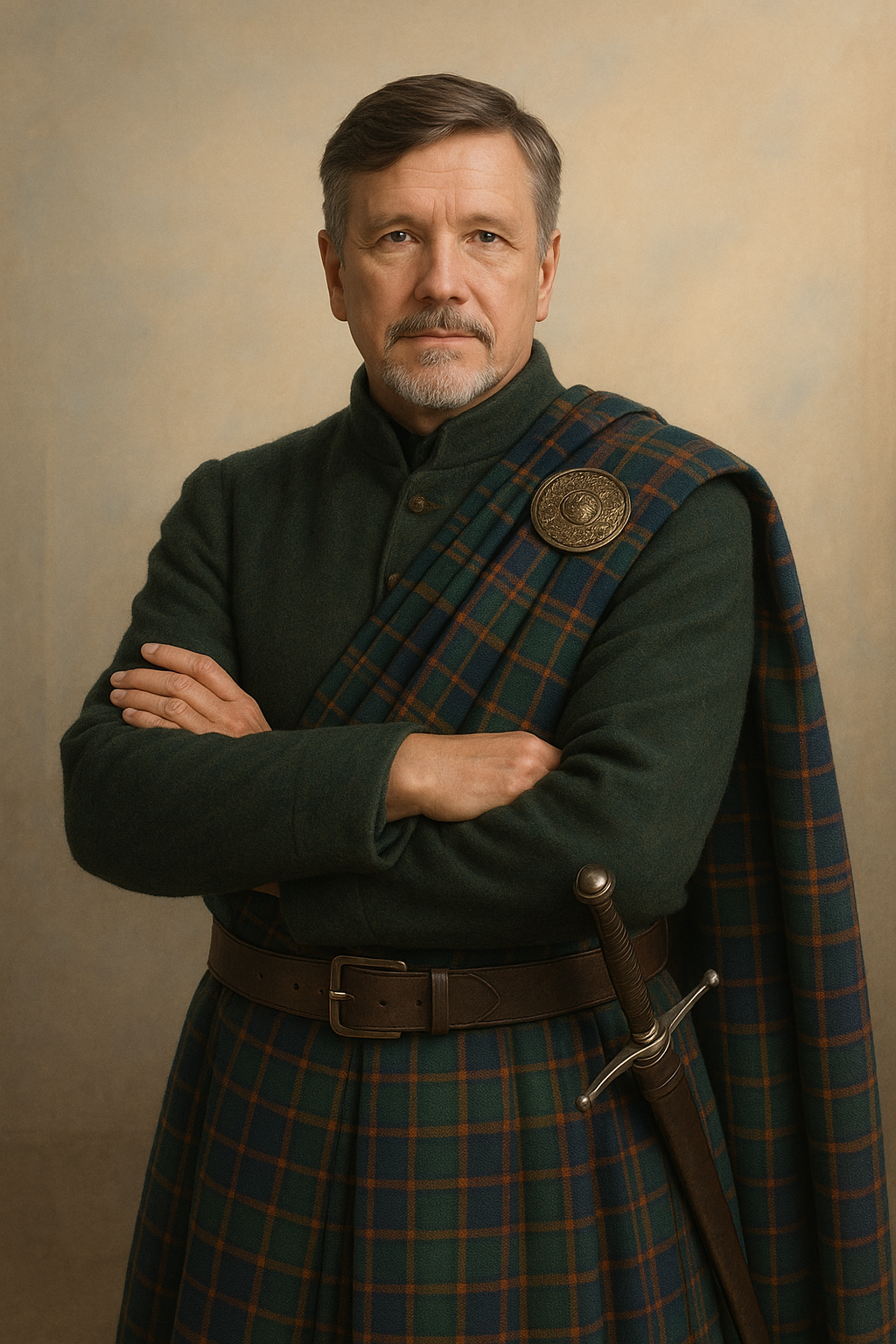

Just Another Boy
By L. Neil Thrussell and AI
Chapter One: A Place to Disappear
The first thing Jarrah Brown noticed about Stony Plain was that nobody seemed particularly interested in him.
It was wonderful.
He stood outside his stepfather’s house on a cool September morning, watching a woman walk her golden retriever along the opposite sidewalk. She nodded pleasantly in his direction, and he nodded back. That was it. No second glance, no sudden recognition, no phone appearing from a pocket. Just a woman walking her dog.
Jarrah smiled. He could get used to this.
His phone vibrated. He didn’t need to look to know who was calling. Martin had been trying to reach him for three days, apparently convinced that increasingly dramatic messages would persuade a sixteen-year-old boy to abandon his plans and return to Australia.
Jarrah checked the screen.
MARTIN: We have three major venues holding dates. The album is exploding. You cannot simply disappear.
Jarrah typed a reply.
Watch me.
He considered sending it, smiled to himself, then deleted it. Instead, he switched the phone to silent.
He had already taken extraordinary precautions to protect his privacy. Before leaving Australia, he’d disabled location sharing on his phone, turned off every social media feature that could reveal his whereabouts, and stopped posting photographs or updates about his daily life. His management company no longer had access to his location, and even his closest friends back home had been asked not to mention where he’d gone.
There would be no photographs tagged with his location, no casual online updates, and no convenient way for anyone to track his movements.
Only a handful of people knew he was in Canada. His mother knew. His stepfather knew. Martin knew he’d gone overseas, although Jarrah had been deliberately vague about exactly where he intended to spend the next few months.
He wasn’t trying to disappear from the people who loved him. He simply wanted to escape the thousands of strangers who believed that buying his music somehow entitled them to a piece of his life.
For the first time in years, Jarrah Williams could walk down a street without someone knowing where he was. And Jarrah Brown intended to enjoy every minute of it.
Behind him, the front door opened.
“Planning on standing there all morning?”
David Brown stepped onto the porch carrying a coffee mug.
Jarrah turned. “Just enjoying the scenery.”
David looked across the street at the ordinary suburban houses. “You’re easily impressed.”
“Mate, you have no idea.”
David chuckled. He was a practical man, an engineer who believed most problems could be solved with patience, careful measurements, and the appropriate tools. He had little understanding of the music industry, which was one of the reasons Jarrah loved him.
David had married Jarrah’s mother, Leah Williams, six years earlier. Although work had brought him back to Alberta, he and Leah had maintained a close marriage across two continents, travelling whenever possible.
When Jarrah had finally admitted how desperately he needed a break, David had offered him something nobody else seemed willing to provide.
A place to disappear.
Not forever. Just long enough to remember what being sixteen felt like.
“Ready for school?” David asked.
Jarrah grinned. “Been ready for years.”
“Most teenagers would consider that a psychiatric condition.”
“Most teenagers haven’t spent three years doing algebra in hotel rooms.”
“Fair point.” David glanced toward the driveway. “Keys?”
Jarrah held them up.
“Wallet?”
He patted his pocket.
“Phone?”
“Unfortunately.”
“Good. And remember, the roads can get icy here.”
“It’s September.”
“This is Alberta.”
Jarrah laughed. “Right. Got it.”
David hesitated. “One more thing, son.”
Jarrah looked at him.
“Enjoy yourself.”
Something in David’s voice made the boy pause. For years, adults had told Jarrah what they expected of him. Sing well. Smile for the cameras. Be charming during interviews. Remember the lyrics. Don’t disappoint the fans.
David was the first adult in a very long time to tell him simply to enjoy himself.
“I will,” Jarrah promised.
He climbed into his new car and headed toward school.
The car was a mistake.
He realized that approximately thirty seconds after pulling into the student parking lot. Two boys stopped talking. Someone whistled. Three girls near the entrance turned to stare.
Jarrah sighed. David had insisted the car was safe, reliable, and appropriate for Alberta winters. All of which were true. It was also considerably more expensive than anything most sixteen-year-olds drove.
“Brilliant,” Jarrah muttered. “Real subtle.”
He parked near the far end of the lot, collected his backpack, and headed toward the entrance.
A girl standing beside the doors smiled at him. “Nice car.”
“Thanks.”
“You’re the Australian kid, right?”
“Apparently.”
She laughed. “I love your accent.”
“Cheers.”
“Say something else.”
Jarrah blinked. “Something else.”
The girl burst out laughing. He smiled politely and continued inside.
So much for blending in. Still, nobody had recognized him. That was something.
Kathy MacDonald barely noticed the new boy.
She’d heard about him, naturally. Apparently, he was Australian. Apparently, he was gorgeous. Apparently, he drove a car that looked as though it belonged to somebody’s wealthy uncle.
Cynthia Heartstone delivered this information during lunch with the solemn importance of a breaking news bulletin.
“You have to see him, Kathy.”
“Why?”
“Because he’s beautiful.”
“That’s a compelling academic reason.”
Cynthia rolled her eyes. “And the accent. Honestly, he could read the phone book and half the girls in this school would faint.”
“Do phone books still exist?”
“Kathy!”
Kathy smiled and returned to her sandwich. She wasn’t particularly interested in boys who attracted that much attention. In her experience, they usually knew exactly how attractive they were, and she had little patience for people who thought being handsome was a personality.
Besides, she had an English assignment to finish, a chemistry test to prepare for, and a piano piece she was trying to learn without anyone hearing her practise. She had enough complications.
Jarrah noticed Kathy before she noticed him.
She sat two rows ahead of him in English, usually near the window. She wasn’t particularly loud or fashionable, and she didn’t seem interested in impressing anyone.
But she listened. Really listened.
When the teacher asked questions, Kathy rarely volunteered answers. Yet when called upon, she spoke thoughtfully, sometimes with an unexpected observation that made the teacher pause.
Jarrah liked that.
He also noticed she sometimes tapped her pencil against her notebook. Not randomly. In rhythm.
One afternoon, without thinking, he tapped a complementary rhythm against his desk. Her pencil stopped, and she glanced over her shoulder.
Jarrah smiled. She gave him a puzzled look.
He raised his eyebrows innocently, and she turned back around.
Jarrah suppressed a laugh. For the first time in years, he’d managed to annoy a girl without accidentally becoming an internet sensation.
Progress.
By the third week of September, Jarrah had discovered that school was considerably more enjoyable when nobody expected him to be extraordinary.
He liked mathematics. He liked English. He even liked chemistry, despite the teacher’s enthusiasm for chemical reactions occasionally exceeding his concern for the safety of his eyebrows.
He particularly enjoyed homework. That last revelation earned him considerable suspicion from his classmates.
“You’re weird, mate,” one boy informed him after Jarrah volunteered to explain a difficult equation.
“Been told that before.”
“No, seriously. Nobody likes homework.”
“Maybe nobody’s shown you how to enjoy it.”
The boy stared at him. “Yeah. Definitely weird.”
Jarrah laughed. He was still smiling when his English teacher announced the next assignment.
“Partners. You’ll be examining how personal identity influences creative expression.”
Jarrah looked up. That was rather close to home.
“MacDonald, you’re with Brown.”
Kathy turned around. Jarrah offered his most innocent smile.
“G’day.”
She studied him for a moment. “Do you always say that?”
“Only when I’m saying hello.”
“Right.”
He liked her immediately.
Chapter Two: The Girl Who Wouldn’t Sing
Their first meeting took place at a small table in the school library.
Kathy arrived with two notebooks, three pens, and an impressive collection of sticky notes. Jarrah arrived with a laptop and a takeaway coffee.
“You’re late,” she said.
He glanced at the clock. “Two minutes.”
“Three.”
“Sorry. I’ll notify the Australian government.”
She tried not to smile. He noticed.
“So,” he said, opening his laptop, “personal identity and creative expression. Any thoughts?”
“Plenty.”
“Excellent. I was hoping you’d do all the thinking.”
She looked up sharply.
He grinned. “Joking.”
“I gathered.”
They worked for nearly an hour. Jarrah was surprised by how much he enjoyed their conversation. Kathy was quiet, but not timid when discussing something she understood. She had opinions, defended them intelligently, and occasionally delivered a dry observation that made him laugh.
She was equally surprised by him. He wasn’t lazy. He wasn’t arrogant. And he didn’t spend the afternoon checking his reflection in the laptop screen.
In fact, he seemed almost ridiculously enthusiastic about the assignment.
“Why do you care so much?” she finally asked.
“About what?”
“School.”
He considered the question. “Because I get to be here.”
“That’s usually how compulsory education works.”
He laughed. “No, I mean I actually get to sit in a classroom. Learn things. Be part of something.”
“You make it sound like a privilege.”
“Maybe it is.”
Something in his expression made her stop teasing.
“Didn’t you go to school in Australia?”
“Yeah. Sort of.”
“Sort of?”
“Things got complicated.”
She waited, but he offered nothing more. Kathy made a small mental note.
Interesting.
Over the following weeks, their assignment became an excuse to spend time together. Sometimes they worked in the library. Sometimes they stayed after class. And sometimes they simply talked.
Jarrah learned that Kathy loved reading, disliked crowded parties, and had a surprisingly wicked sense of humour when she felt comfortable enough to use it.
Kathy learned that Jarrah loved coffee, hated mushrooms, and had an almost obsessive relationship with music. He was always tapping something. His fingers against a desk. His foot against the floor. A pencil against the edge of his notebook.
“Do you ever stop?” she asked one afternoon.
“Stop what?”
“Making noise.”
Jarrah looked at his fingers. They were tapping again.
“Oh. Sorry.”
He stopped. Three seconds later, his foot began moving.
Kathy stared at him. He followed her gaze.
“Right. Sorry.”
She laughed. He liked making her laugh far more than he understood.
One Thursday, Kathy arrived at their usual library table to find a paper cup waiting beside her chair.
“What’s that?” she asked.
“Hot chocolate.”
“Why?”
Jarrah looked confused. “Because you like it.”
She stared at the cup. He shifted uncomfortably.
“You said you don’t drink coffee. And last week you ordered hot chocolate at the café. So I thought…” He stopped. “Was that weird?”
Kathy picked up the cup. “No.” She smiled. “That was actually really nice.”
Jarrah looked relieved. “Good.”
He opened his laptop, then immediately knocked his pencil onto the floor. Kathy bent to retrieve it at the same moment he did, and their heads nearly collided.
“Sorry!”
“Sorry!”
They both straightened, laughing.
Cynthia, watching from a nearby table, shook her head. Those two were hopeless.
One afternoon, as they left school, Kathy noticed his car.
“That’s yours?”
Jarrah glanced toward the parking lot. “Yeah.”
“Seriously?”
“Apparently.”
She walked around it slowly. “It’s beautiful.”
“Thanks.”
“How does a sixteen-year-old afford something like this?”
Jarrah hesitated. “My stepdad gave it to me when I came over.”
“That’s quite a welcome present.”
“He’s a generous bloke.”
She studied him. “And the credit card you used at the coffee shop yesterday?”
Jarrah felt his stomach tighten. “His card. He lets me use it.”
“Must be nice.”
There was no accusation in her voice, just curiosity. But Jarrah suddenly felt uncomfortable.
He wanted to tell her the truth. He wanted to explain that he’d earned more money in the past year than he knew what to do with, and that the car had barely made a dent in his bank account. He wanted to explain why his stepfather had insisted on putting ordinary things in his own name.
But he didn’t, because then he’d have to explain everything else.
Instead, he shrugged. “Yeah. I’m lucky.”
Kathy nodded. She didn’t ask anything more, but she wondered.
October arrived with cold mornings, yellow leaves, and the unmistakable feeling that winter was waiting impatiently just beyond the horizon.
Jarrah loved it.
He’d never experienced autumn quite like this. In Darwin, the seasons had followed a different rhythm. Here, the trees seemed determined to celebrate their final weeks before winter.
He took photographs constantly, although he kept them to himself rather than posting them online.
Kathy teased him about it.
“You know those trees will still be there tomorrow.”
“Not looking like that.”
“They’re just leaves.”
“They’re brilliant leaves.”
She shook her head. “You’re easily impressed.”
Jarrah looked at her. “Some things are worth noticing.”
Kathy felt her cheeks warm. She looked away.
He hadn’t meant anything by it.
Had he?
Jarrah wondered the same thing.
They were working at Kathy’s house one Saturday afternoon when it happened.
Her parents, Robert and Susan MacDonald, had welcomed Jarrah warmly when he arrived. Susan had offered him something to eat before he’d even taken off his shoes, while Robert had spent several minutes asking about Australia and whether Jarrah was adjusting to the Canadian weather.
“He’s very polite,” Susan had remarked when Jarrah went to wash his hands.
Kathy rolled her eyes. “Mum.”
“What?”
“Nothing.”
Susan smiled. She hadn’t seen her daughter this animated around a boy before.
Later, her parents went out to run errands, leaving the two teenagers working at the dining room table.
Jarrah was trying to concentrate on their assignment. He wasn’t having much success.
Kathy was sitting opposite him, chewing thoughtfully on the end of a pencil. A loose strand of hair kept falling across her face. She brushed it away, and it fell again.
Jarrah found this inexplicably fascinating.
“You’re staring,” she said without looking up.
“What?”
“You’re staring at me.”
“No, I’m not.”
She raised her eyes. He looked down at his notebook.
“Okay. Maybe a bit.”
“Why?”
He panicked. “There’s something on your face.”
Kathy immediately touched her cheek. “What?”
“Nothing.”
She stared at him. Jarrah closed his eyes.
“That came out wrong.”
Kathy began laughing, and Jarrah, despite himself, laughed too.
He could stand before twenty thousand people without a moment’s hesitation. But put him across a table from Kathy MacDonald, and apparently his brain turned into porridge.
A little later, Kathy went into the kitchen to make tea.
Jarrah remained at the table, working through a paragraph. Then he heard it.
Singing.
Softly. Almost absentmindedly.
He stopped writing. The voice came from the kitchen.
It wasn’t polished. The breathing was uneven. One note drifted slightly flat before finding its place. But there was something in it, something unguarded.
Jarrah sat perfectly still. He’d spent years surrounded by professional singers, producers, vocal coaches, and recording engineers. He knew what a technically perfect voice sounded like.
This wasn’t one.
But it made him feel something he couldn’t explain.
He rose quietly and walked toward the kitchen. Kathy stood near the counter, waiting for the kettle. Her eyes were closed, and she was singing a melody Jarrah didn’t recognize.
Then she opened her eyes and saw him.
She stopped instantly.
“Oh, my God.”
Jarrah blinked. “What?”
“How long have you been standing there?”
“Not long.”
“Did you hear me?”
He hesitated. “Yeah.”
Kathy’s face turned crimson. “Oh, no.”
“What?”
“Please forget that.”
“Forget what?”
“Jarrah!”
He smiled uncertainly. “Your singing?”
“Yes!”
“Why?”
“Because it’s embarrassing.”
He frowned. “Why?”
“Because I can’t sing.”
Jarrah stared at her. He genuinely didn’t know what to say.
Finally, he managed, “I thought you sounded really nice.”
She looked horrified. “You’re just being polite.”
“No, I’m not.”
“Yes, you are.”
“Kathy.”
“What?”
“I liked it.”
Something in his voice made her look at him. He wasn’t teasing. He wasn’t smiling. He looked almost embarrassed himself.
She turned toward the kettle. “Well, thanks.”
The silence stretched. Jarrah leaned against the doorway.
“Do you sing much?”
“No.”
“Never?”
“Not really.”
“Why not?”
She shrugged. Then, after a moment, she said, “When I was little, I used to sing all the time.”
Jarrah waited.
“One day my mum was on the phone. I was singing in the kitchen, and she told me to be quiet.”
“Okay.”
“I know it sounds stupid.”
“What does?”
“I thought she didn’t like my voice.”
Jarrah frowned. “Did she say that?”
“No.”
“Then why…”
“I don’t know.” Kathy stared into her mug. “She was trying to hear someone on the phone. I know that now. But when you’re eight…”
She stopped.
Jarrah understood, or at least he thought he did.
“When you’re eight, things feel bigger.”
Kathy looked up. “Yeah.”
He nodded. For a moment, neither spoke.
Then Jarrah said, “I don’t reckon your mum knew she’d hurt your feelings.”
“She didn’t.”
“Have you told her?”
Kathy shook her head. “It would sound silly.”
“Maybe.” He paused. “Still doesn’t mean it didn’t matter.”
Kathy looked at him for a long moment. Then she smiled. A small smile, but real.
“You’re strange, Jarrah Brown.”
“Been told that before.”
Later, as Jarrah prepared to leave, Kathy surprised him.
“Do you play anything?”
He looked at her. “Sorry?”
“An instrument. You’re always tapping rhythms and humming things.”
“Yeah. A bit.”
“What?”
“Guitar. Piano. Few other things.”
“Could you play something?”
Jarrah froze.
It was such a simple question. He’d played before enormous audiences. He’d performed on television. He’d recorded an album that was currently climbing the charts in Australia.
And suddenly, the idea of playing for one girl in her living room made him nervous.
“Now?”
“Unless you’re busy.”
“No. I mean, yeah. Sure.”
Kathy led him to an upright piano near the window.
“It’s old,” she said. “And probably out of tune.”
Jarrah sat down. He touched a few keys, listened, adjusted, and then began to play.
At first, the melody was simple, just a few gentle notes. Then something changed. His fingers moved with effortless certainty, finding harmonies and rhythms as naturally as breathing.
Kathy stood beside the piano. She had never heard anything like it. The music seemed to fill the room without becoming loud.
It was beautiful.
And somehow sad.
When he finished, she didn’t speak.
Jarrah looked up. “Was that okay?”
Kathy stared at him. “Okay?”
He shifted uncomfortably. “Yeah.”
“Jarrah…”
“What?”
“That was incredible.”
He looked down at the keys. “Thanks.”
“Where did you learn to play like that?”
He hesitated. “Been doing it a while.”
“How long?”
“Since I was little.”
“Did you take lessons?”
“Some.”
Kathy shook her head. “You’re unbelievable.”
Jarrah smiled, but something inside him tightened. For the first time since arriving in Canada, someone had looked at him the way people looked at Jarrah Williams.
With awe.
He didn’t want Kathy to look at him that way. Not her. Especially not her.
As Kathy walked him to the door, she hesitated.
“Jarrah?”
“Yeah?”
“Thanks for not laughing at me earlier.”
He looked puzzled. “Why would I laugh?”
“Because I was singing.”
He smiled gently. “Kath, you should sing more.”
She looked down. “Maybe.”
He wanted to say something else, something that would make her believe him. Instead, he said, “See you Monday?”
Kathy smiled. “Yeah.”
He walked to his car feeling strangely happy.
Inside, Kathy stood at the window watching him leave. When Susan returned a few minutes later, she found her daughter still smiling.
“Good afternoon?” she asked.
Kathy blushed. “It was okay.”
Susan laughed softly. “Just okay?”
“Mum!”
But she couldn’t stop smiling.
Chapter Three: The Boy in the Video
November brought snow. Not much at first, just a few scattered flakes that melted against the pavement. Then more.
Jarrah was delighted. Kathy was considerably less impressed.
“It’s snow,” she informed him.
“I noticed.”
“It happens every year.”
“Not where I come from.”
“You’re going to get tired of it.”
“Never.”
She laughed. “Ask me again in February.”
Jarrah grinned. “Looking forward to it.”
Kathy stopped walking.
February. That was months away. He was talking as though he’d still be here.
She hadn’t realized how much she wanted that until he said it.
Their friendship had become something neither quite understood.
They spent time together whenever they could. They talked about school, books, music, and their families. Sometimes they talked about nothing at all.
Jarrah told Kathy about growing up in Darwin and visiting his mother’s relatives in the Northern Territory. He spoke fondly of his mother, Leah Williams, and the family stories she’d shared with him.
He explained that his biological father had left when he was young, and that David Brown had become the steady presence in his life.
“He’s a good bloke,” Jarrah said.
“You really like him.”
“Yeah.”
“Does he ever get mad at you?”
Jarrah laughed. “Ask him about the time I tried to fix the toaster.”
“What happened?”
“Let’s just say I’m not following him into engineering.”
Kathy giggled.
Jarrah watched her. He loved that sound, although he hadn’t yet admitted it to himself.
One Saturday, Jarrah invited Kathy to David’s house.
He’d spent nearly twenty minutes cleaning the living room before she arrived, despite the fact that it had already been perfectly tidy.
David watched from the kitchen.
“Expecting royalty?”
Jarrah stopped arranging the cushions. “What?”
“You’ve straightened that cushion four times.”
Jarrah looked down. “Have not.”
David raised an eyebrow.
Jarrah sighed. “All right. Maybe three.”
David chuckled. “She’s a nice girl.”
Jarrah froze. “Who?”
David stared at him. “Honestly, son.”
Jarrah groaned. “Please don’t.”
David laughed. “Relax. I won’t embarrass you.”
“That’s exactly what people say before embarrassing someone.”
When the doorbell rang, Jarrah nearly tripped over his own feet getting to the door.
David shook his head, smiling. The boy who could perform before thousands was apparently terrified of answering a door.
Kathy arrived carrying a small container of homemade cookies.
“My mum made these,” she explained.
Jarrah accepted them. “Brilliant. Thanks.”
David appeared from the kitchen.
“You must be Kathy.”
She smiled. “Yes. Nice to meet you.”
“David Brown. Come in.”
He accepted her coat while Jarrah stood awkwardly holding the cookies.
David glanced at his stepson. “Jarrah, perhaps you’d like to put those somewhere?”
“Oh. Right.”
Kathy laughed. Jarrah looked mildly horrified. David was enjoying himself far too much.
They spent the afternoon in the living room, listening to music and talking.
At one point, Jarrah offered Kathy a pair of headphones.
“Listen to this.”
She slipped them on. A gentle piano melody filled her ears. It was unfamiliar and beautiful.
She closed her eyes.
When the music ended, she removed the headphones.
“Who is that?”
Jarrah hesitated. “Just something I’ve been working on.”
Kathy stared at him. “You wrote that?”
“Yeah.”
“It’s beautiful.”
He looked away. “Thanks.”
She studied him. There was something about the way he reacted to compliments. He seemed comfortable with music itself, but strangely uncomfortable when someone praised him.
“Does your mum know how good you are?” she asked.
Jarrah laughed softly. “Yeah. She reckons I’m all right.”
Kathy smiled. “Well, she’s right.”
They sat quietly for a moment.
Then Jarrah said, “You know that melody you were singing in the kitchen?”
Kathy stiffened. “What about it?”
“I’ve been thinking about it.”
She looked embarrassed. “Why?”
“Because I liked it.” He hesitated. “Would you mind if I used a little bit of it in something?”
Kathy stared at him. “You want to use my singing?”
“Not exactly. Just the melody.”
She looked down at her hands. “I don’t know.”
“That’s okay.” He smiled. “I won’t unless you want me to.”
Kathy considered it. Then she nodded.
“Okay.”
Jarrah smiled. “Thanks.”
Neither realized how much that small exchange would matter later.
David joined them for supper. He asked Kathy about school, her family, and her interests. She answered easily, surprised by how comfortable she felt in their home.
Jarrah watched the conversation with growing relief. David was being normal. Almost suspiciously normal.
Then, just as they finished eating, David looked at Kathy.
“So, has Jarrah told you about his extraordinary ability to destroy kitchen appliances?”
Jarrah closed his eyes. “Dad.”
Kathy burst out laughing. “The toaster?”
David grinned. “Ah. So he’s confessed.”
“It was one time,” Jarrah protested.
“One spectacular time.”
Kathy laughed so hard she nearly spilled her water.
Jarrah looked between them. “You’re both enjoying this far too much.”
David smiled. “Welcome to family life, son.”
Jarrah shook his head, but he was smiling too.
Later, when Kathy left, David stood beside Jarrah at the front window.
“She’s lovely.”
Jarrah nodded. “Yeah.”
David glanced at him. “You like her.”
Jarrah stared straight ahead. “She’s a friend.”
“Of course.”
“A good friend.”
“Naturally.”
Jarrah sighed. “You’re impossible.”
David chuckled. Then his expression softened.
“Just be careful with her heart, son.”
Jarrah looked at him.
David continued quietly. “And yours.”
Jarrah said nothing. He didn’t know what to say.
One Friday afternoon, Cynthia Heartstone arrived at Kathy’s locker holding her phone.
“You are not going to believe this.”
Kathy sighed. “What now?”
“Remember that Australian singer I told you about?”
“Which one?”
“Jarrah Williams.”
Kathy froze for half a second. “Jarrah?”
“Yeah. Weird coincidence, right?”
Cynthia held up the phone, and a music video began playing.
Kathy watched. A handsome young singer stood beneath brilliant stage lights, guitar in hand. His hair was styled differently. His clothes were expensive. And the camera loved him.
But his face…
Kathy leaned closer. “Oh.”
Cynthia grinned. “Right?”
The singer turned toward the camera. Kathy’s stomach tightened.
He looked exactly like Jarrah Brown. Not similar. Exactly.
“That’s weird,” she whispered.
“I know! Your Australian boy has a famous twin.”
“He’s not my Australian boy.”
“Sure.”
Cynthia laughed. “Apparently, this guy’s album is going absolutely crazy in Australia. He’s supposed to be touring this summer, but nobody knows where he is.”
Kathy barely heard her.
The singer was talking now, explaining something about his music. His voice was familiar, but not quite. There was a confidence in it she’d never heard from Jarrah.
And certain words sounded different. A particular rhythm. A distinctive pronunciation. Something about the way he said beautiful.
Kathy watched the video twice, then a third time.
Cynthia raised an eyebrow. “You’re really interested all of a sudden.”
Kathy handed back the phone. “Just curious.”
“Uh-huh.”
Cynthia smiled knowingly. “Maybe you should ask your Jarrah if he’s got a famous cousin.”
Kathy forced a laugh. “Maybe.”
But that evening, she couldn’t stop thinking about the video.
The following Monday, Jarrah found Kathy waiting near his locker.
“Morning.”
“Hi.”
He smiled. “Everything okay?”
“Yeah.” She hesitated. “Can I ask you something?”
“Sure.”
“Have you ever heard of Jarrah Williams?”
The world seemed to stop. Jarrah felt the blood drain from his face.
He forced himself to shrug. “Yeah. Think so.”
“He’s Australian.”
“Lots of us are.”
“He’s a singer.”
“That narrows it down.”
Kathy studied him. “You look a lot like him.”
Jarrah laughed. It sounded wrong even to his own ears.
“Poor bloke.”
She didn’t smile. “Seriously.”
“Must be the haircut.”
Kathy looked at him for another moment, then nodded.
“Maybe.”
Jarrah watched her walk away.
His phone vibrated.
MARTIN: The album just went platinum. We cannot keep postponing the tour. Call me.
Jarrah closed his eyes. For the first time since arriving in Canada, he felt the walls of his new life beginning to crack.
That evening, David found Jarrah sitting at the kitchen table with his guitar resting across his knees. He wasn’t playing, just staring at the strings.
“Everything all right?”
Jarrah shrugged. “Yeah.”
David poured himself a coffee. “That’s a convincing answer.”
Jarrah smiled faintly.
David sat opposite him. “Martin called me.”
Jarrah groaned. “Of course he did.”
“He seems rather enthusiastic about getting you back to Australia.”
“He can be enthusiastic all he likes.”
“Apparently, the album is doing exceptionally well.”
Jarrah plucked a single string. “Yeah.”
David watched him. “You know, most people would be thrilled.”
“I am thrilled.”
“You don’t look thrilled.”
Jarrah sighed. “I love the music, Dave. I really do.”
“I know.”
“But I hate what happens after.”
David waited.
“Everyone wants something. Another interview. Another concert. Another photograph. Another bloody smile.”
Jarrah looked up. “Do you know what it’s like to walk into a shop and have twenty people start following you?”
“No.”
“Or to have someone photograph you eating breakfast?”
“Can’t say I do.”
“Or to have strangers decide they know everything about you because they’ve watched a few videos?”
David shook his head.
Jarrah looked down at his guitar. “I just want to be sixteen.”
David leaned back. “Then be sixteen.”
“It’s not that easy.”
“No,” David agreed. “I imagine it isn’t.”
Jarrah hesitated. “There’s a girl.”
David raised his eyebrows. “Ah.”
“Don’t.”
“I haven’t said anything.”
“You’re doing the face.”
“What face?”
“The dad face.”
David tried unsuccessfully to suppress a smile.
Jarrah groaned. “Forget I said anything.”
“Not a chance.”
Jarrah stared at the table. “She’s different.”
“How?”
“She doesn’t care about any of it.”
“Any of what?”
“The money. The car. The music.”
“Does she know?”
Jarrah shook his head.
David’s smile faded. “Jarrah.”
“I know.”
“Does she think you’re someone you’re not?”
Jarrah considered the question. “No. Not exactly.”
“Not exactly?”
“She knows me. Just not the other stuff.”
David nodded slowly. “That’s a difficult place to build a friendship from.”
Jarrah looked miserable. “I know.”
David reached across the table and squeezed his shoulder.
“Then perhaps it’s time you trusted her.”
Jarrah stared at his guitar.
He wanted to. More than anything.
But he was terrified that once Kathy knew who Jarrah Williams was, she’d stop seeing Jarrah Brown.
And he wasn’t ready to lose that.
At school the next day, Kathy noticed something different about him. He seemed distracted. He smiled less. And when she asked whether everything was all right, he answered too quickly.
“Fine.”
She didn’t believe him, but she didn’t push. Not yet.
Instead, she asked whether he wanted to help her practise a piano piece after school.
Jarrah looked surprised. “You want me to help?”
“You’re better than I am.”
“That’s debatable.”
She stared at him. “Jarrah.”
He grinned. “All right. Fair enough.”
They spent an hour in the music room. Kathy played, and Jarrah listened. He offered small suggestions about timing and phrasing, careful not to make her feel inadequate.
When she made a mistake, she stopped.
“Sorry.”
“Why are you apologizing?”
“Because I messed up.”
“You’re allowed.”
She looked at him. “Easy for you to say.”
Jarrah hesitated. Then he smiled.
“Trust me, Kath. I’ve made some spectacular mistakes.”
She laughed.
He loved that sound.
And for another hour, the world outside the music room ceased to exist.
Chapter Four: The Boy Behind the Music
By December, the school was preparing for its annual Christmas concert.
Jarrah had no intention of participating. Absolutely none. He’d spent years performing, and he’d come to Canada to stop.
But then his music teacher heard him playing the piano one afternoon, and everything changed.
“Jarrah, would you consider performing something?”
He shook his head. “Not really.”
“Just one song.”
“Sorry.”
“An original piece, perhaps?”
Jarrah hesitated.
The teacher smiled. “I heard what you were playing. You have a remarkable gift.”
Jarrah looked at the piano. He knew that, but he hadn’t expected anyone here to notice.
“I’ll think about it.”
Kathy was the one who finally convinced him.
They were sitting in the library when she asked, “Why won’t you perform?”
Jarrah looked up. “Who says I won’t?”
“Everyone.”
“Everyone talks too much.”
She smiled. “You’re really good.”
“At what?”
“Music.”
He shrugged. “You’re not bad yourself.”
Kathy blushed. “That’s different.”
“How?”
“Because you’re actually good.”
Jarrah studied her. He wanted to tell her something about talent, about fear, about how strange it was to be able to do something in front of thousands of people but feel terrified when it mattered to just one.
Instead, he said, “Maybe I’ll do it.”
Kathy smiled. “I’d like that.”
And that was enough.
The night of the concert arrived with fresh snow and bitter cold. The auditorium was crowded with parents, students, teachers, and younger siblings who had already begun asking when they could go home.
David Brown sat near the middle, beside Robert and Susan MacDonald. They’d met briefly before the concert, and David had been pleased to find them warm and friendly.
Susan smiled as she settled into her seat.
“Jarrah seems like such a lovely boy.”
David nodded. “He is.”
“Very talented too, from what Kathy tells us.”
David smiled. “Yes. He has a bit of a gift.”
Robert chuckled. “A bit? Kathy says he’s extraordinary.”
David looked toward the stage. “Well, you’ll see.”
Kathy sat beside Cynthia a few rows ahead. She was nervous, although she didn’t know why.
Jarrah was only performing one song. It wasn’t as though anything important was going to happen.
At least, that’s what she told herself.
Then his name was announced.
“Please welcome Jarrah Brown.”
Applause filled the auditorium.
Jarrah walked onto the stage, and Kathy felt something shift.
It was immediate.
The boy she knew seemed to disappear. His shoulders straightened. His movements became effortless. He approached the microphone with a confidence she’d never witnessed before.
He smiled at the audience. Not his usual awkward smile, but something warmer, bigger, completely assured.
“Evening, everyone.”
The auditorium quieted.
Jarrah waited, comfortable and unhurried, as though he had all the time in the world.
Kathy stared. She’d never seen him like this.
Behind her, David leaned back in his chair. He recognized that posture, that smile, that quiet command of the room.
Jarrah Williams had arrived.
But there was something different tonight.
David had watched his stepson perform before enormous crowds. He’d seen him command stages filled with lights, cameras, and screaming fans. Tonight, however, Jarrah looked peaceful.
Almost happy.
David smiled.
“This is a song I wrote recently,” Jarrah began. “It’s about finding something you didn’t know you were looking for.”
He paused.
“Sometimes life gets a bit noisy. Everyone wants something from you. Everyone seems to know who you’re supposed to be.”
Kathy felt a strange tightness in her chest.
“And sometimes,” Jarrah continued, “you find yourself somewhere completely unexpected, surrounded by people who don’t know anything about you.”
He smiled.
“And somehow, that’s the most beautiful thing in the world.”
Beautiful.
The word. The pronunciation. The cadence.
Kathy stopped breathing.
She’d heard it before. In the video. The exact same sound, the exact same rhythm.
She looked at him again. Really looked.
The posture. The confidence. The easy way he held the microphone. The way he seemed to connect with every person in the auditorium without trying.
Her stomach dropped.
Oh, my God.
Cynthia leaned toward her. “He’s really good-looking up there.”
Kathy didn’t answer.
Because suddenly she knew. Not suspected. Knew.
Jarrah Brown was Jarrah Williams.
The Australian superstar. The boy whose album was climbing the charts. The singer who had performed before tens of thousands of people.
And he’d been sitting beside her in the library, pretending to be just another boy.
Jarrah began to sing.
The song was gentle, a melody about quiet places, unexpected friendships, and the strange courage it takes to let someone see who you really are.
His voice filled the auditorium, effortless and beautiful.
Then Kathy heard something familiar.
A small musical phrase. Just a handful of notes.
She recognized them immediately.
The melody she’d been singing in her kitchen. The one she’d been embarrassed for him to hear.
Jarrah had woven it into his song.
Kathy felt tears sting her eyes. She didn’t understand why.
Part of her was proud. Part of her was astonished. And another part was hurt.
Deeply hurt.
Because suddenly she realized there was an entire world inside Jarrah that he’d never shared with her. A world of concerts, cameras, fame, and thousands of people screaming his name.
And somehow, that frightened her.
She’d thought she was beginning to know him. Now she wasn’t sure.
A few rows behind her, Susan noticed her daughter’s expression.
“Kathy looks upset,” she whispered.
Robert leaned forward slightly. “Maybe she’s just moved by the music.”
Susan wasn’t convinced.
David followed their gaze. He saw Kathy sitting perfectly still, her eyes fixed on Jarrah.
And he understood.
She knew.
His heart sank a little. Not because Jarrah’s secret had been discovered, but because he knew how frightened his stepson had been of this moment.
Onstage, Jarrah continued singing. His eyes found Kathy in the audience, and for a brief moment, their gazes met.
He smiled. A small, private smile.
Kathy looked away.
Jarrah felt something tighten inside his chest, but he kept singing. He’d performed through exhaustion, illness, and nerves. He could finish one song, even if the only person whose opinion mattered suddenly wouldn’t look at him.
When the song ended, the auditorium erupted. People stood, cheered, and applauded.
Robert shook his head in amazement. “Good heavens.”
Susan smiled through tears. “That was extraordinary.”
David stood and applauded with the others. He was proud, not of the fame or the awards, but of the boy who had found his way back to the music he loved.
Jarrah smiled and bowed, completely at ease.
Kathy remained seated. Her hands were trembling.
Cynthia grabbed her arm. “Kathy! That was amazing!”
Kathy nodded. “Yeah.”
But she wasn’t looking at the stage anymore.
She was trying to understand why her heart hurt.
Jarrah found her near the side entrance after the concert. She was standing beside a window, watching snow fall beneath the parking lot lights.
“Hey.”
Kathy turned. For a moment, neither spoke.
Then Jarrah smiled uncertainly. “So. What did you think?”
Kathy looked at him. Really looked.
And there he was again. The awkward boy who didn’t quite know what to do with his hands. The one who sometimes said foolish things because he was nervous.
The boy she knew.
Or thought she knew.
“You’re really good,” she said.
Jarrah smiled. “Thanks.”
“Really good.”
He laughed softly. “Yeah. You said that.”
Kathy swallowed. “Jarrah?”
“Yeah?”
She hesitated. Then quietly said the word.
“Beautiful.”
Jarrah froze.
She repeated it exactly the way he’d said it onstage, exactly the way the singer had said it in the video.
The colour drained from his face.
“Kathy…”
“You’re him.”
He looked away. “Who?”
She felt something sharp rise inside her.
“Don’t.”
Jarrah closed his mouth.
“Please don’t lie to me.”
He stared at the floor. For a long moment, neither spoke.
Then he whispered, “Yeah.”
Kathy felt tears gathering. She hated that. She didn’t want to cry, not here, not in front of him.
“Why?”
Jarrah looked up. “What?”
“Why didn’t you tell me?”
He opened his mouth, closed it, then tried again.
“I didn’t know how.”
Kathy gave a short, disbelieving laugh. “You didn’t know how?”
“No.”
“Jarrah, we’ve been friends for months.”
“I know.”
“I told you things I’ve never told anyone.”
His expression changed. “Kathy…”
“And you couldn’t even tell me your name?”
“Jarrah is my name.”
“You know what I mean!”
Her voice rose. A couple of students passing through the hallway glanced toward them.
Jarrah looked frightened. Not of Kathy, but of being overheard.
“Can we go somewhere quieter?” he asked.
Kathy stared at him, then nodded.
They stepped outside beneath the covered entrance. The cold hit them immediately, but neither seemed to notice.
Jarrah shoved his hands into his jacket pockets.
“I’m sorry.”
Kathy looked away. “Are you?”
“Yeah.”
“Because it doesn’t feel like it.”
He flinched. She saw it and immediately wished she could take the words back.
But she was hurt and confused and sixteen, and she didn’t know what to do with any of it.
Jarrah stared at the snow.
“I came here because I couldn’t do it anymore.”
“Do what?”
“All of it.” He gestured helplessly. “The concerts. The cameras. The people. Everyone wanting something.”
Kathy remained silent.
“My album came out just before I left. It’s doing really well. Better than anyone expected.”
“I know.”
He looked surprised.
“Cynthia showed me the video.”
Jarrah closed his eyes. “Right.”
“She thought you looked alike.”
He nodded.
“I thought maybe…” She stopped.
“Maybe what?”
“Maybe it wasn’t you.”
Jarrah looked at her. “Why?”
Kathy’s voice trembled.
“Because I didn’t want it to be.”
That hurt more than anything she’d said. Jarrah looked down.
“Oh.”
Kathy immediately felt terrible.
“I didn’t mean…”
“No. It’s okay.”
“It’s not.”
He shrugged. “I get it.”
But he didn’t. Not really.
And neither did she.
After a long silence, Jarrah spoke.
“I just wanted to be normal.”
Kathy looked at him.
“I wanted to go to school. Do homework. Walk down the street without people following me.” His voice cracked slightly. “I wanted to have friends who didn’t care about any of that.”
He swallowed.
“And then I met you.”
Kathy felt her chest tighten.
Jarrah looked at her. Really looked.
“And you didn’t care.”
She couldn’t speak.
“You didn’t care about the car. Or the money. Or anything.”
“That’s not true,” she whispered.
He blinked. “What?”
“I noticed those things.”
“Yeah, but…”
“I just didn’t think they mattered.”
Jarrah nodded slowly. “Exactly.”
They stood in silence. Snow drifted beyond the entrance.
Then Jarrah said something so quietly she almost missed it.
“I didn’t want you to look at me differently.”
Kathy felt tears spill down her cheeks. She wiped them away angrily.
“But I already did, Jarrah.”
He stared at her.
She swallowed. “That’s what scares me.”
He didn’t understand. Not completely. But something in her voice made his heart ache.
Jarrah took a small step toward her.
“Kathy?”
She looked up.
“Please don’t tell anyone.”
Her expression changed. “That’s what you’re worried about?”
“No. I mean, yes. But not…” He stopped, frustrated.
He could stand before twenty thousand people and speak without hesitation. He could improvise melodies, remember lyrics, and command an entire stage.
But right now, he couldn’t find a single sentence that sounded right.
“I’m making a mess of this,” he whispered.
Kathy almost smiled. Almost.
“Yeah.”
He looked miserable.
She sighed. “Jarrah, I’m not going to tell anyone.”
His shoulders sagged. “Thank you.”
“But you should have trusted me.”
“I know.”
“And I don’t know what I’m supposed to do with all this.”
“Neither do I.”
That surprised her. She looked at him.
He gave a helpless little laugh. “Honestly, Kath, I haven’t got a clue.”
And there he was. Her Jarrah. Awkward, uncertain, terrified.
She looked toward the parking lot.
“Do you have to go back?”
He hesitated. “Eventually.”
“When?”
“I don’t know.”
“Your manager?”
Jarrah nodded. “He’s been calling.”
“Does he know you’re here?”
“He knows I’m in Canada. But he doesn’t know where I go to school.”
Kathy considered that.
Then she asked, “Do you like being famous?”
Jarrah looked genuinely puzzled. “Sometimes.”
“Sometimes?”
“I love singing.” He paused. “I just don’t love everything that comes with it.”
Kathy nodded. She understood that more than she expected.
She loved singing too, but the thought of people watching her was terrifying.
Maybe they weren’t so different after all.
They stood together for another minute.
Then Kathy shivered.
Jarrah noticed. “You’re freezing.”
“A little.”
“Want my jacket?”
She looked at him. “You’re wearing it.”
“Yeah. That’s generally how jackets work.”
Despite everything, she laughed.
Jarrah smiled. It was a small smile, relieved and hopeful.
Then Kathy grew serious.
“Jarrah?”
“Yeah?”
“Promise me something.”
“Anything.”
She shook her head. “Don’t say anything. You don’t even know what I’m asking.”
“Right.”
He looked embarrassed.
She took a breath. “Don’t lie to me again.”
Jarrah nodded. “I won’t.”
She studied him. “Even if the truth is hard?”
“Especially then.”
Kathy looked down at their hands.
They were standing close, close enough that she could feel the warmth of him beside her.
She wanted to reach for his hand. She didn’t know if she should.
Jarrah noticed her looking. He wondered if he should move closer.
He didn’t.
Neither did she.
Then Kathy quietly slipped her hand into his.
Jarrah stopped breathing.
Her fingers were cold. His were trembling.
Neither spoke.
They stood beneath the school entrance, watching snow fall over the parking lot.
Two sixteen-year-olds who had absolutely no idea what they were doing.
But neither wanted to let go.
After a while, Kathy looked at him.
“So who are you really?”
Jarrah considered the question. Then he smiled sadly.
“I’m still figuring that out.”
She nodded. “Me too.”
And for the first time that evening, the silence between them felt comfortable.
Not because everything was fixed. It wasn’t. There were still questions, still hurt feelings, still truths waiting to be told.
But Kathy hadn’t walked away.
And Jarrah hadn’t run.
For now, that was enough.
As they finally walked toward the parking lot, Kathy glanced at him.
“By the way.”
“Yeah?”
“Your song was beautiful.”
Jarrah smiled. “Thanks.”
She hesitated. “Did you write it about someone?”
He looked at her, then quickly looked away.
“Maybe.”
Kathy felt her cheeks warm.
“Oh.”
They walked a few more steps. Then she squeezed his hand, just once.
Jarrah squeezed back.
And somewhere beneath the falling snow, something neither of them yet understood began quietly to grow.
The End
AUTHORSHIP & AI ACKNOWLEDGEMENT
Just Another Boy is a work of fiction by L. Neil Thrussell and AI.
This story was developed through a collaborative creative process. L. Neil Thrussell provided the story direction, characters, themes, creative decisions, and editorial guidance. Artificial intelligence assisted with drafting, refinement, and editing under the author’s direction.
The author reviewed and approved the final manuscript and retains responsibility for the published work. All characters and events are fictional, except where real places are used as settings.